
1 / 3
Industrial water treatment materials and technical service
Industrial wastewater treatmentfrom testing to stable operation.
Shuangyou supports coking, photovoltaic, coal chemical and semiconductor plants with testing, chemistry and field support.
01About Shuangyou
Clear decisions, grounded in the water itself.
Taking detection and diagnosis as the lead, operational commissioning as the key driver, self-developed agents as the core products, process equipment as the supporting, and after-sales technical support as the continuous guarantee, forming a one-stop service system from problem diagnosis to solution implementation and long-term operation and maintenance
We serve industries such as coking, photovoltaics, coal chemicals, semiconductors, petrochemicals, pharmaceuticals, food, steel, municipal, papermaking electroplating, and dyeing. Our team starts with water quality testing, matches chemicals based on pollutants and site conditions, and provides process and operation recommendations
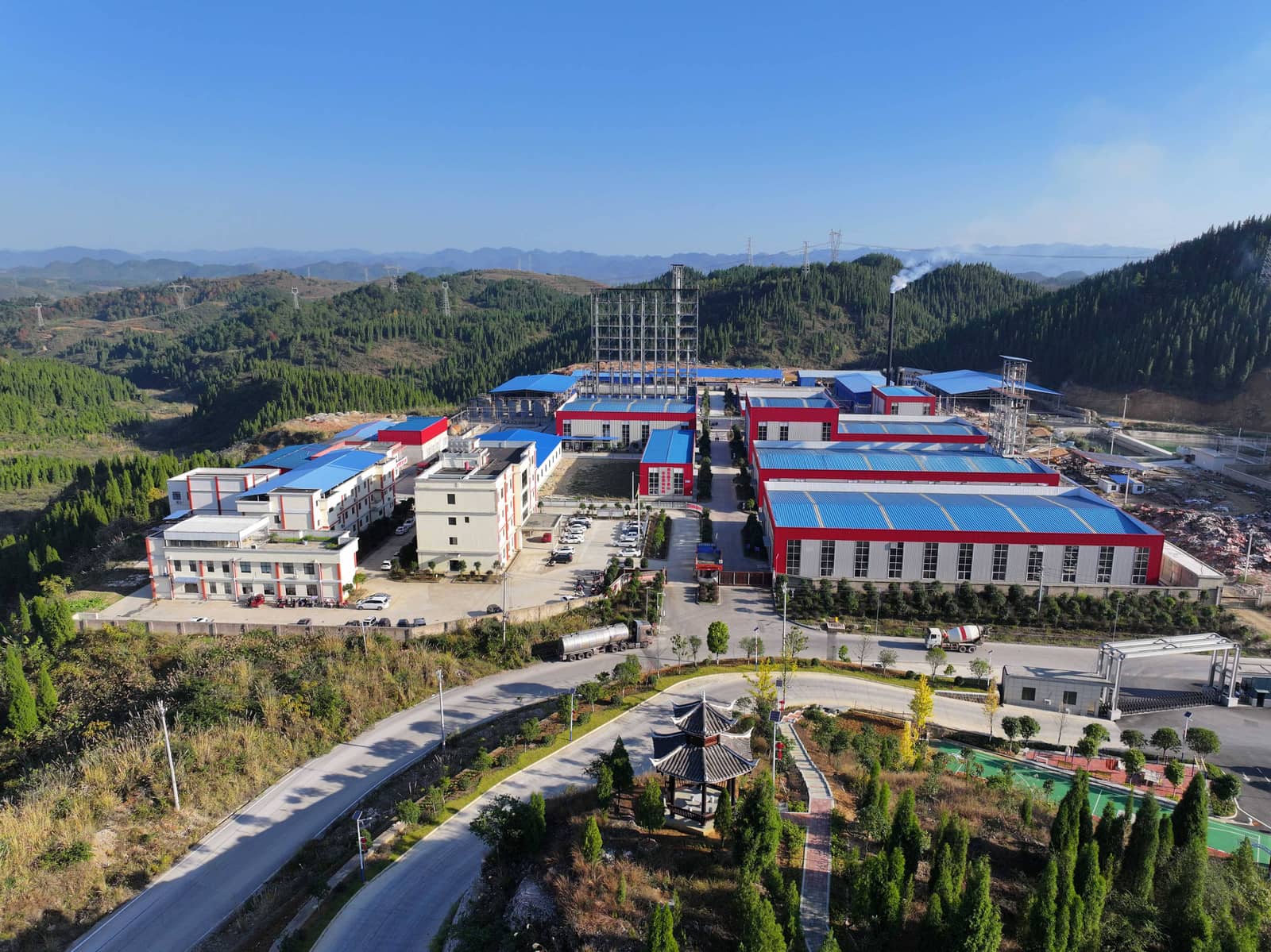
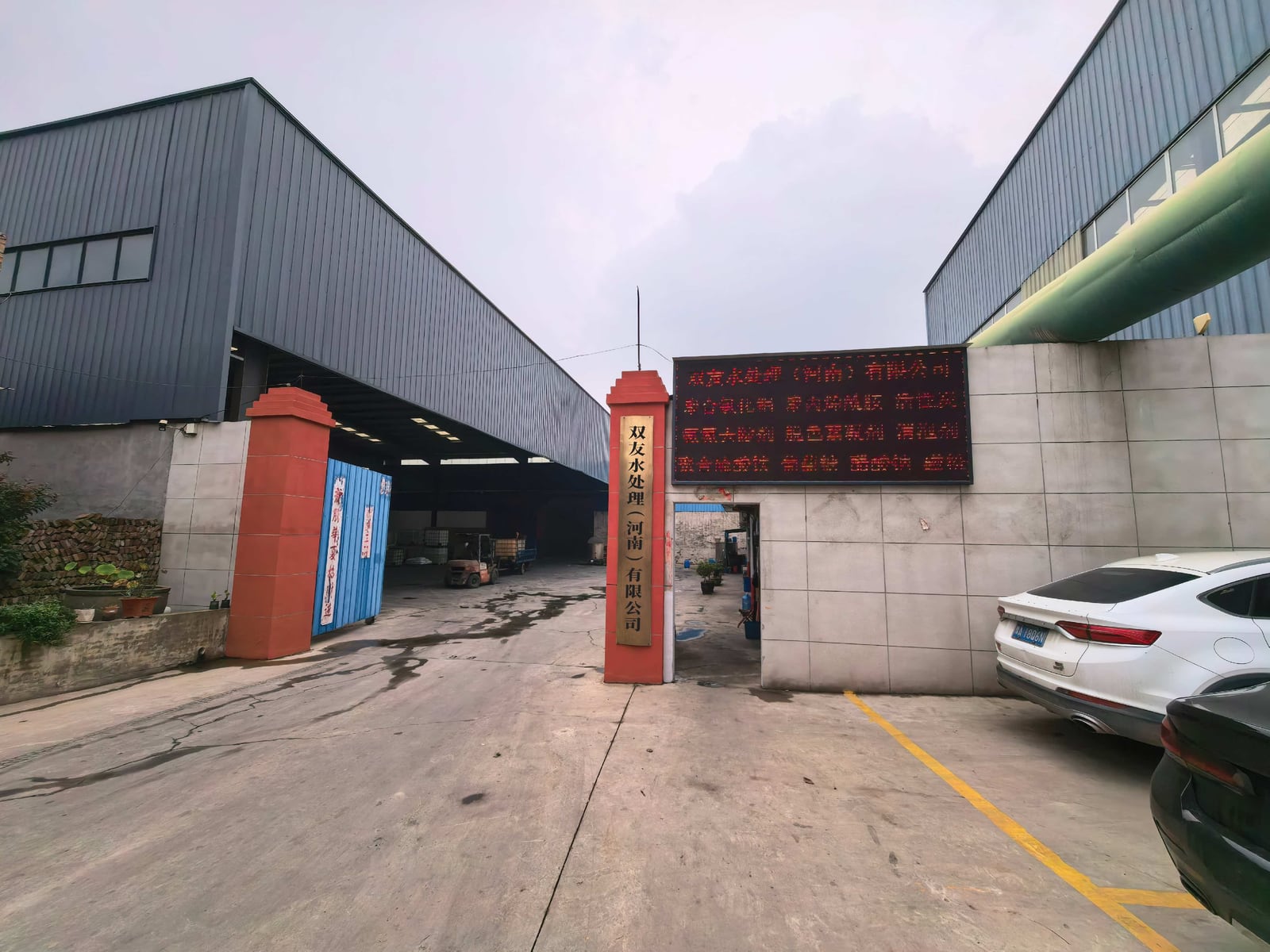
Shuangyou Water Treatment (Henan) Co., Ltd., established in Zhengzhou Airport Economy Zone, is a comprehensive environmental technology company on production and distribution, integrating the R&D, production, sales, and testing of water treatment chemicals, as well as water treatment engineering and operation, and equipment manufacturing
Shuangyou always adheres to the philosophy of "creating customer value and reducing environmental protection costs," professionally providing full-process optimization solutions for wastewater treatment, and is affectionately known by as the "standard-upgrading and optimization expert". It serves more than 200 domestic enterprises, with a business scope covering various industries such as c, photovoltaics, coal chemicals, semiconductors, petrochemicals, chemicals, pharmaceuticals, food, steel, municipal wastewater treatment, papermaking, electroplating, and printing and dyeing
We provide you with high-quality products: a series of water treatment chemical products including defluorinators, decolorizing (COD removal) flocculants, nitrogen removers, polyacrylamide, polyaluminum chloride, filter media, glucose, flocculants, and carbon sources. We can design the most suitable wastewater treatment products for based on their water quality and different pollution sources.
Test firstConfirm the water before the solution.
Own the resultMake the advice work in real conditions.
Stay involvedKeep tracking performance and key parameters.
02Capabilities
From testing to a solution that performs on site.
One team connects testing, trials, process and operation support, keeping every decision accountable.
Free testing of sewage indicators
Start with the water itself to guide product and process selection.
On-site operation
Implement the experimental plan in real operation.
Functional chemistry R&D
Develop around pollutants and industry realities.
Process and equipment
Coordinate chemistry, process and equipment.
Technical support
Stay close to the result so the solution keeps working.
03Solutions
Actual application data for sewage pollutants and industry operating conditions
Start with the critical indicators, then connect chemistry, trials, dosing and operating support.
01
Fluoride wastewater treatment
For photovoltaic, battery, semiconductor, and electroplating wastewater, provide free water sample testing, and determine chemical reagents and dosage data through bench-scale.
Fluoride removal · settling · verification View solution →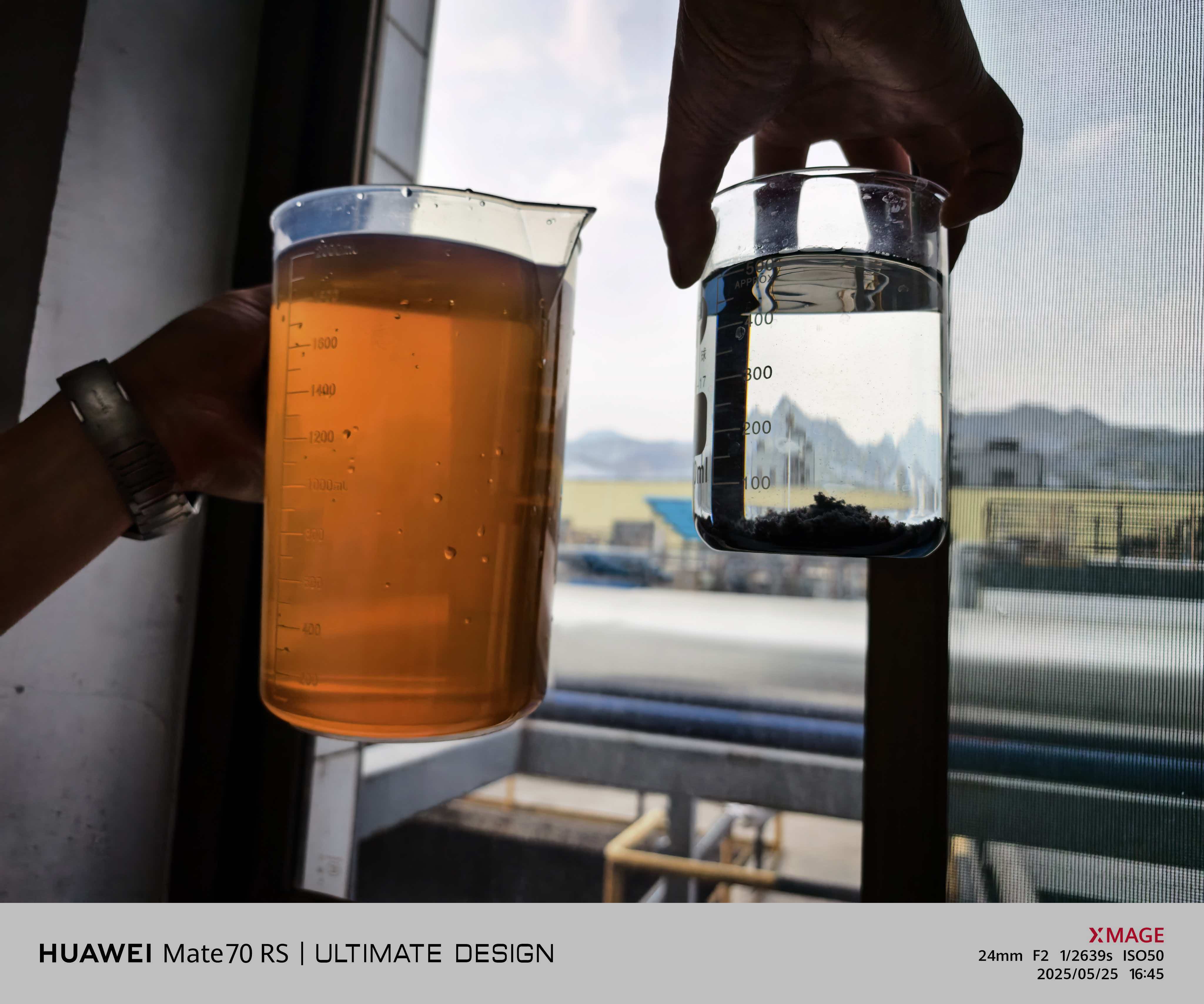
02
COD treatment of coking wastewater
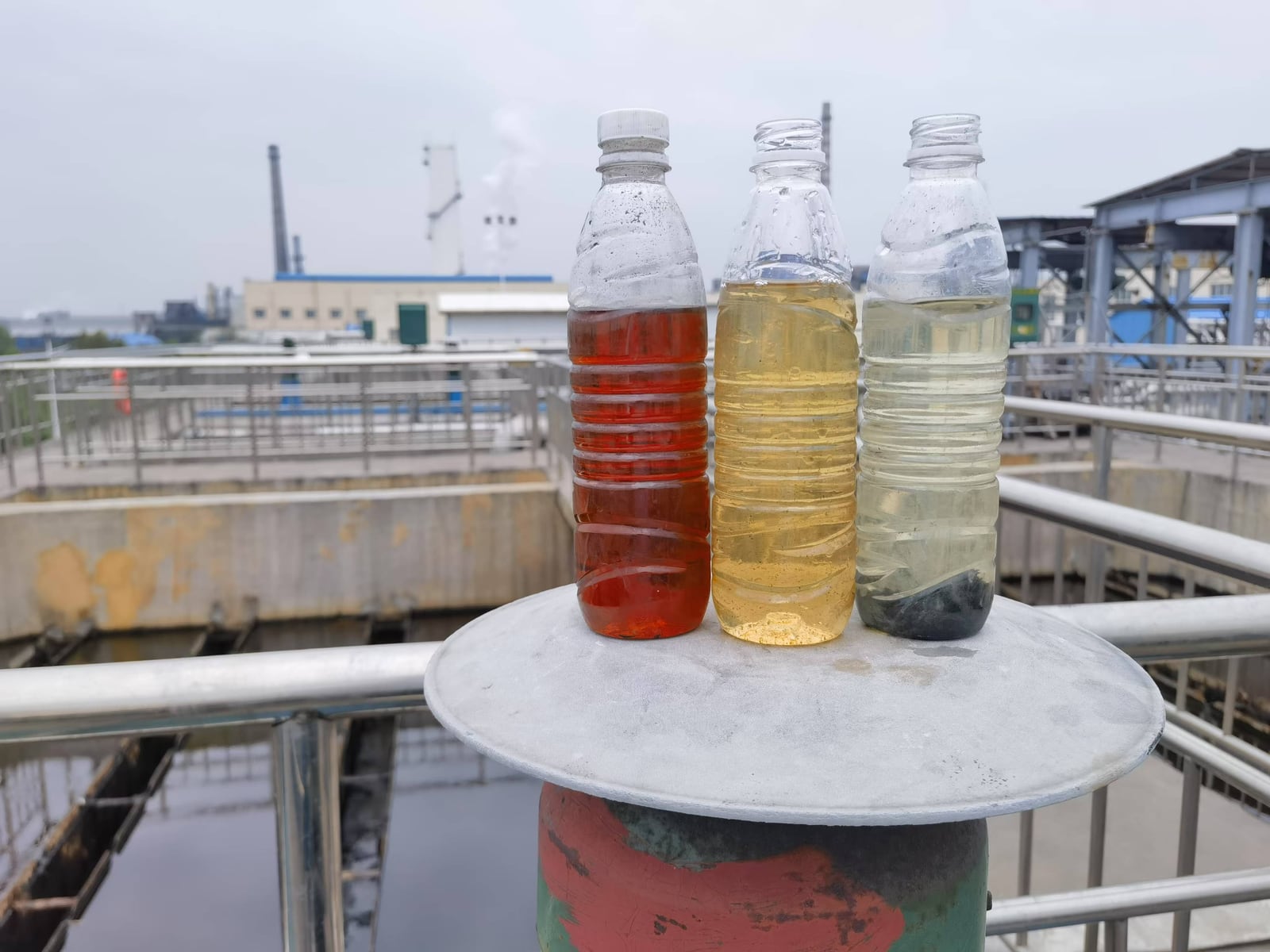
Case Study of Deep COD Removal in Coking Wastewater of Baofeng Energy — Small-scale Test Data of Gradient Dosing of COD Removal
Colour · COD · flocculation View solution →
03
Steel ammonia nitrogen treatment case
Taigang Coking Biochemical Wastewater Upgrading Experiment: Feasibility Verification of Replacing Dichloride with Ammonia Nitrogen Removal Agent
Testing · commissioning · support View solution →04Products
Chemistry selected for water quality and operating conditions.
The product covers defluoridation, decolorization, COD, ammonia nitrogen, coagulation, filter media, bacterial strains, and carbon sources; the technical team assist in model selection based on water samples.
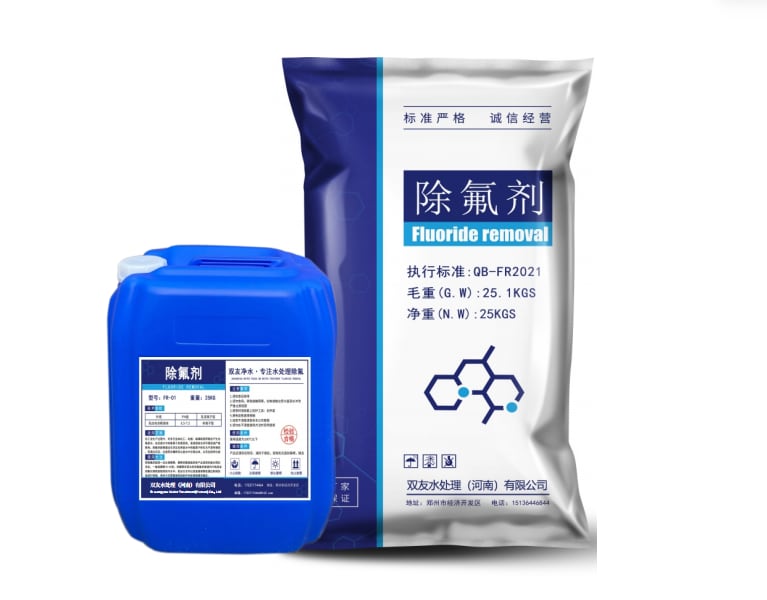
Core solution
Defluorinating agent-solid
Mainly address characteristic water quality issues, such as COD, fluoride ion, ammonia nitrogen, total phosphorus, and exceeding standard issues
Request technical details
Core solution
Functional Agent - COD Removal Agent
Mainly address key water quality indicators, such as COD, fluoride ion, ammonia nitrogen, total phosphorus, and exceeding standard issues
Request technical details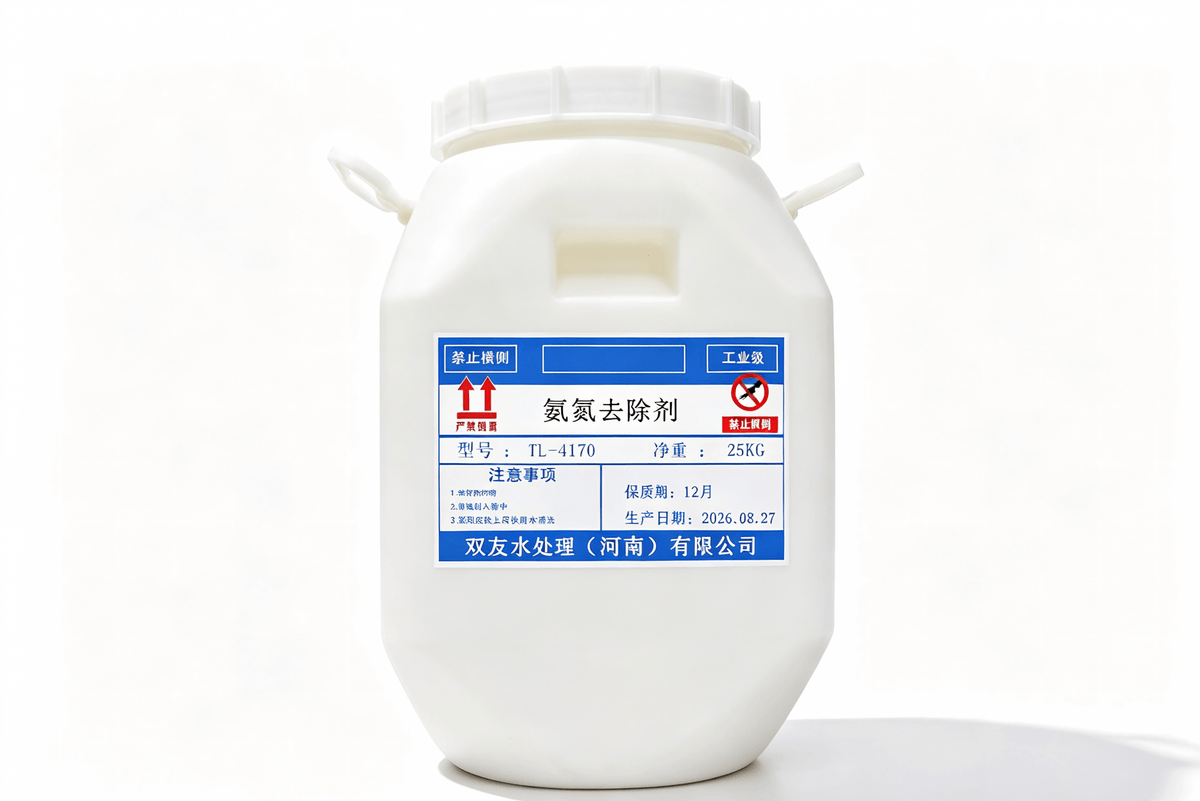
Core solution
Functional agent - Ammonia nitrogen removal agent
Mainly address key water quality indicators, such as COD, fluoride ion, ammonia nitrogen, total phosphorus, and exceeding standard issues
Request technical details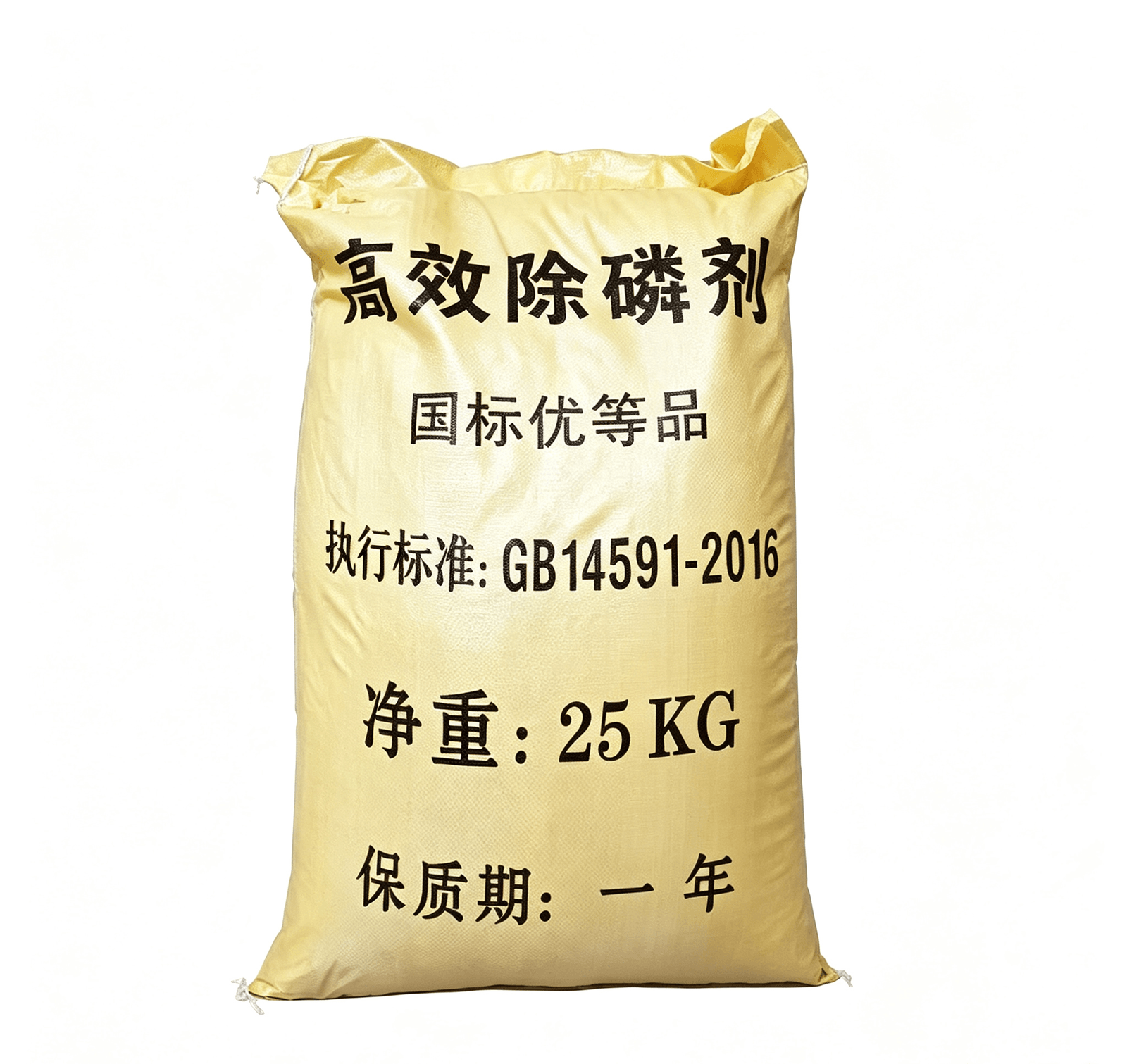
Core solution
Functional agent - Phosphorus removal agent
Functional agents (defluorination, COD removal, ammonia nitrogen removal, phosphorus removal)
Request technical details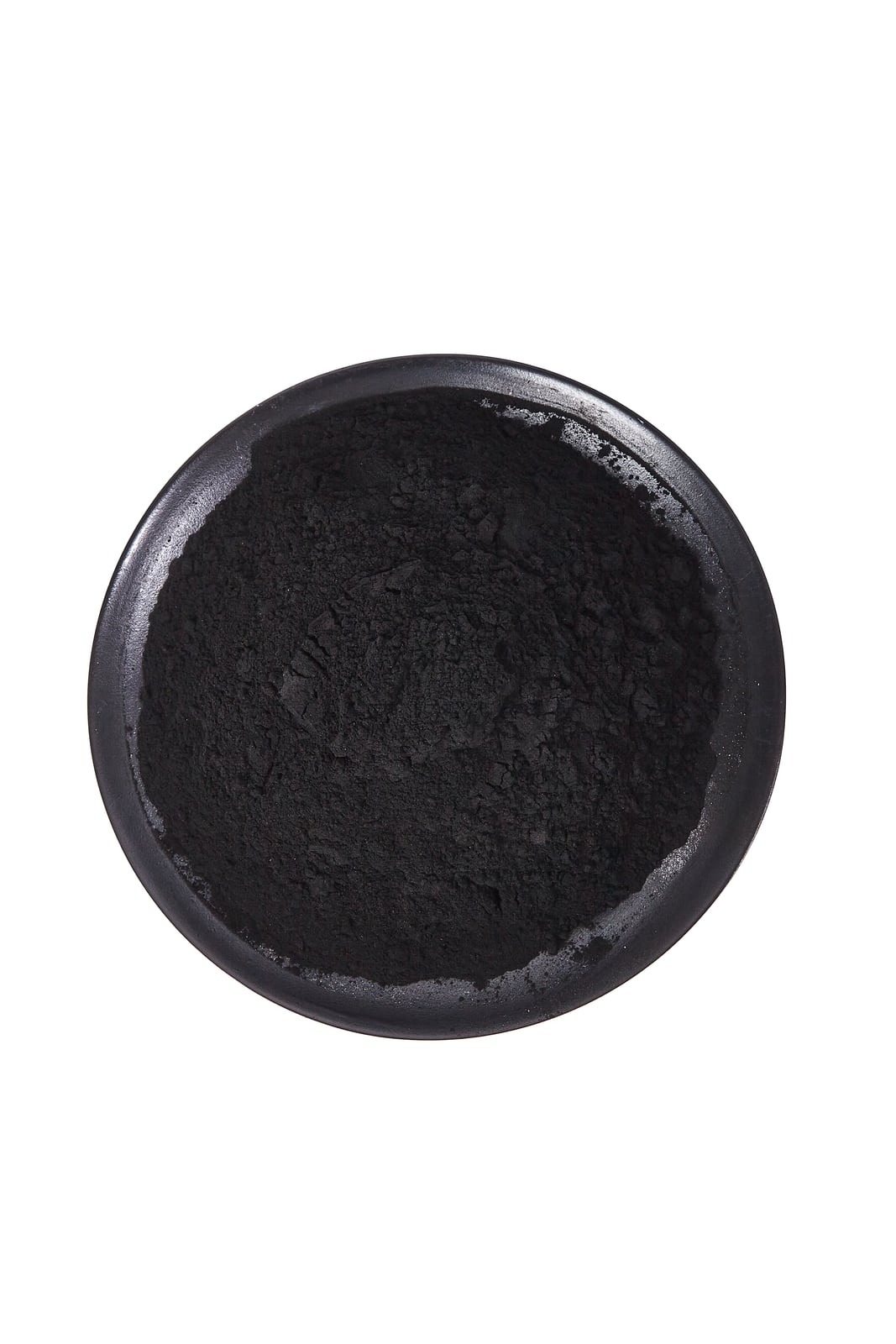
Polyacrylamide
Powdered activated carbon - wood
Wood-based powdered activated carbon is made from high-quality wood chips using a phosphoric acid chemical activation process. It appears as a fine powder, its aqueous solution is slightly acidic, and its pores are predominantly mesoporous (transitional pores) and extremely well-developed. Its core advantages lie in excellent decolorization, deodorization, and adsorption of macromolecular organic substances, making it particularly suitable for the decolorization of textile and dyeing wastewater, food and beverage refining sugar decolorization, and deep treatment of chemical wastewater. The core indicator to measure its performance is the methylene blue adsorption value (rather than the iodine value). conventional fineness is 200-325 mesh, and wet dosing is recommended; if used in conjunction with PAC or PFS, the filter press performance be significantly improved.
Request technical details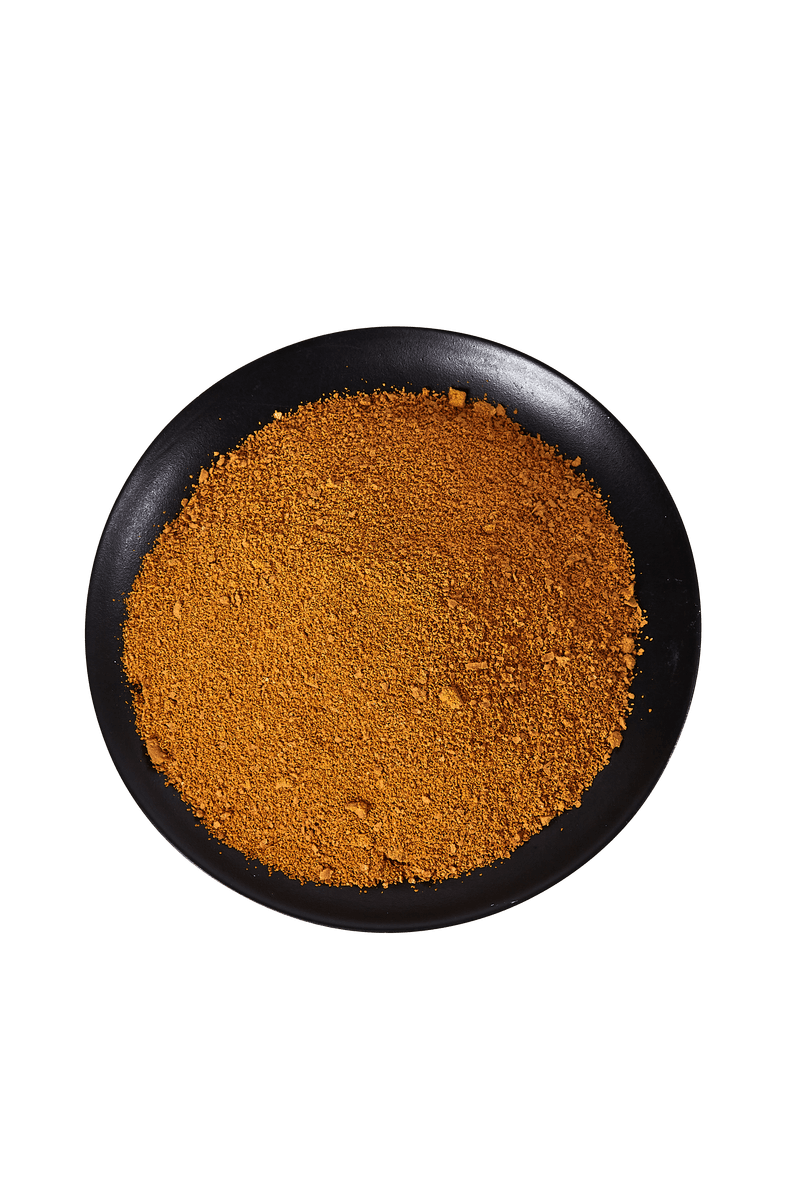
Water treatment
Polyaluminum Chloride
Industrial-grade Polyaluminum Chloride (PAC) is an inorganic polymeric coagulant made from raw materials such as bauxite and hydrochloric acid through or drum drying. It appears as a yellow or pale yellow powder/granule, with an Al₂O₃ content typically ranging from 26% to 0%, a basicity of 40% to 90%, and its aqueous solution is acidic. The product features fast flocculation speed, large fl, good sedimentation, a wide pH adaptability, and low cost. It is widely used in industrial wastewater and municipal sewage treatment, as well as solid-liquid separation in such as papermaking, printing and dyeing, and coal washing. The dosage needs to be determined by small-scale tests based on water quality, and it generally added wet after dilution. Standard packaging is 25kg/bag, and it should be stored in a sealed and dry place
Request technical details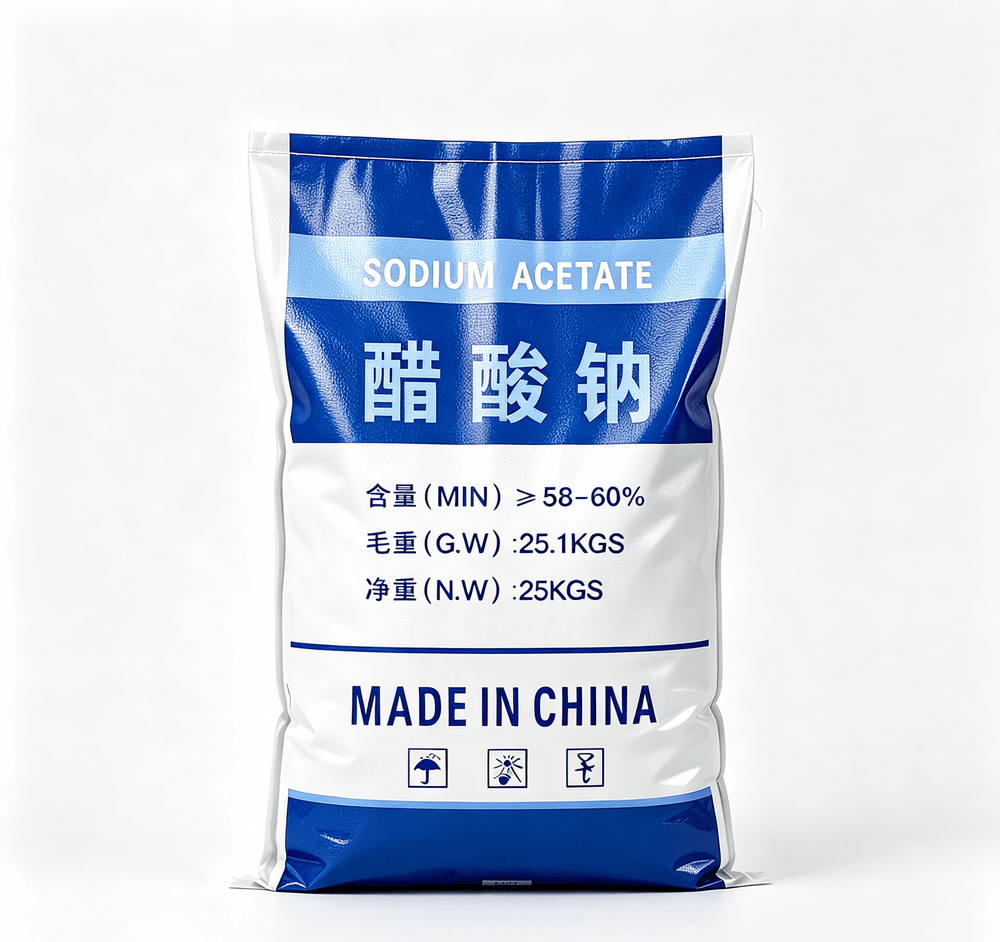
Biological process
Sodium Acetate
Sodium acetate is widely recognized as an efficient external carbon source in the field of wastewater treatment, typically available in two forms: liquid (2%-30% content) and trihydrate solid (≥58% content). The aqueous solution of this product is weakly alkaline and highly biodegradable (high B/ ratio). After dosing, it can be rapidly utilized by denitrifying bacteria, with a denitrification rate second only to methanol, and its performance remains stable even in lowtemperature environments. It effectively solves the problem of difficult nitrogen removal in low carbon-to-nitrogen ratio wastewater, promoting the conversion of nitrate nitrogen into nitrogen gas for discharge It is widely used in municipal wastewater upgrading and renovation, as well as in the treatment of high ammonia nitrogen wastewater from coking, chemical, and pharmaceutical industries. empirical dosage is approximately 5-6 kg of sodium acetate trihydrate solid consumed to remove 1 kg of nitrate nitrogen. This product is a non-hazardous chemical making its storage and dosing safe and convenient.
Request technical details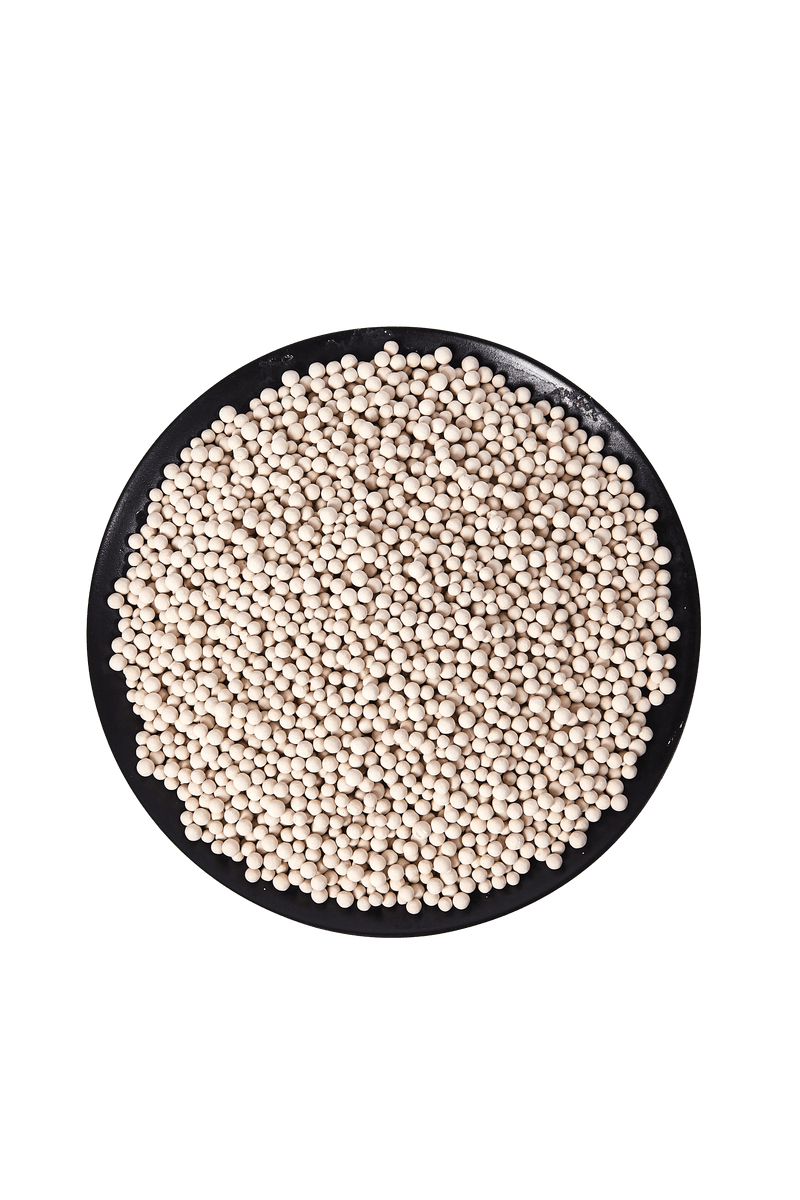
filter media; filter material
molecular sieve
Molecular sieves are aluminosilicate crystals with a uniform microporous structure, precisely controllable pore sizes, and selective adsorption capabilities. Common types include3A, 4A, 5A, and 13X, which feature large specific surface areas, good thermal stability, and high mechanical strength, them widely used in gas drying, air separation for oxygen and nitrogen production, petrochemical catalysis, and VOCs treatment. In water treatment, they can be used for dehydration or the adsorption of specific pollutants. Before use, avoid direct immersion in liquid water to prevent pore blockage or pulverization; once adsorption is saturated, they can be by heating or pressure reduction for reuse. Selection should be based on molecular size, polarity, and operating conditions. They are typically packaged in sealed iron drums or aluminum foil and stored in dry conditions.
Request technical details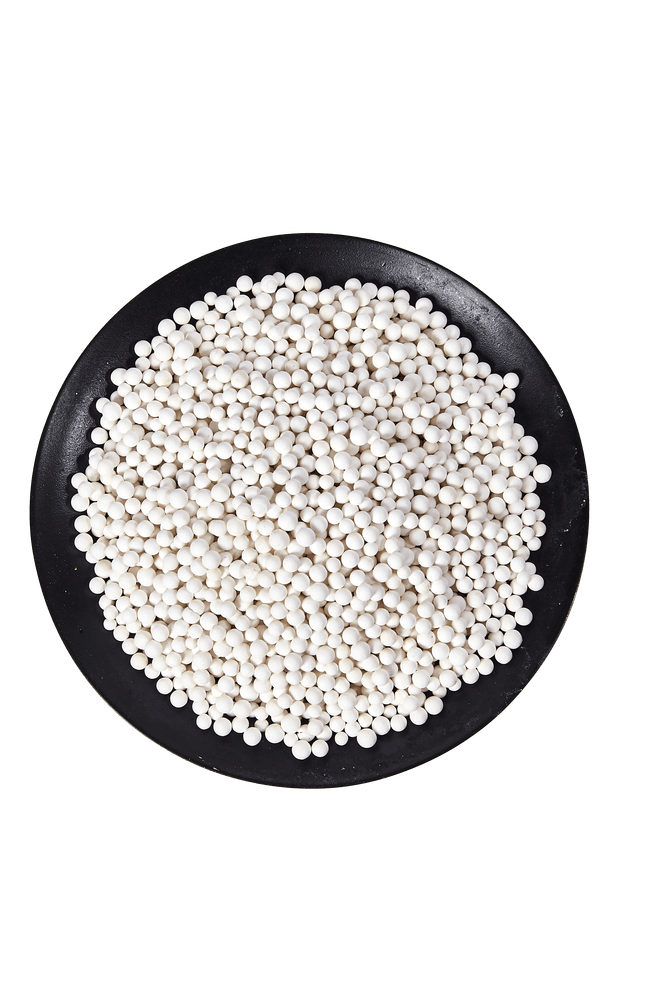
Alumina ball
Alumina ball
Activated alumina spheres are made from industrial alumina through molding and high-temperature calcination, appearing as white or slightly yellowish spherical granules. The features a porous structure, high specific surface area, good mechanical strength, and thermal stability. It is mainly used as a desiccant for gases and liquids, a carrier, and an adsorbent for fluoride and arsenic removal in water treatment. Common particle sizes are 3-5mm, 4-6mm, and -7mm, with a bulk density of 0.65-0.75g/cm³ and a specific surface area of ≥200²/g. During use, direct immersion in liquid water should be avoided to prevent pore blockage or pulverization; after adsorption saturation, it can be regenerated by heating reuse. Standard packaging is 25kg/bag, and it should be stored in a sealed, dry place.
Request technical details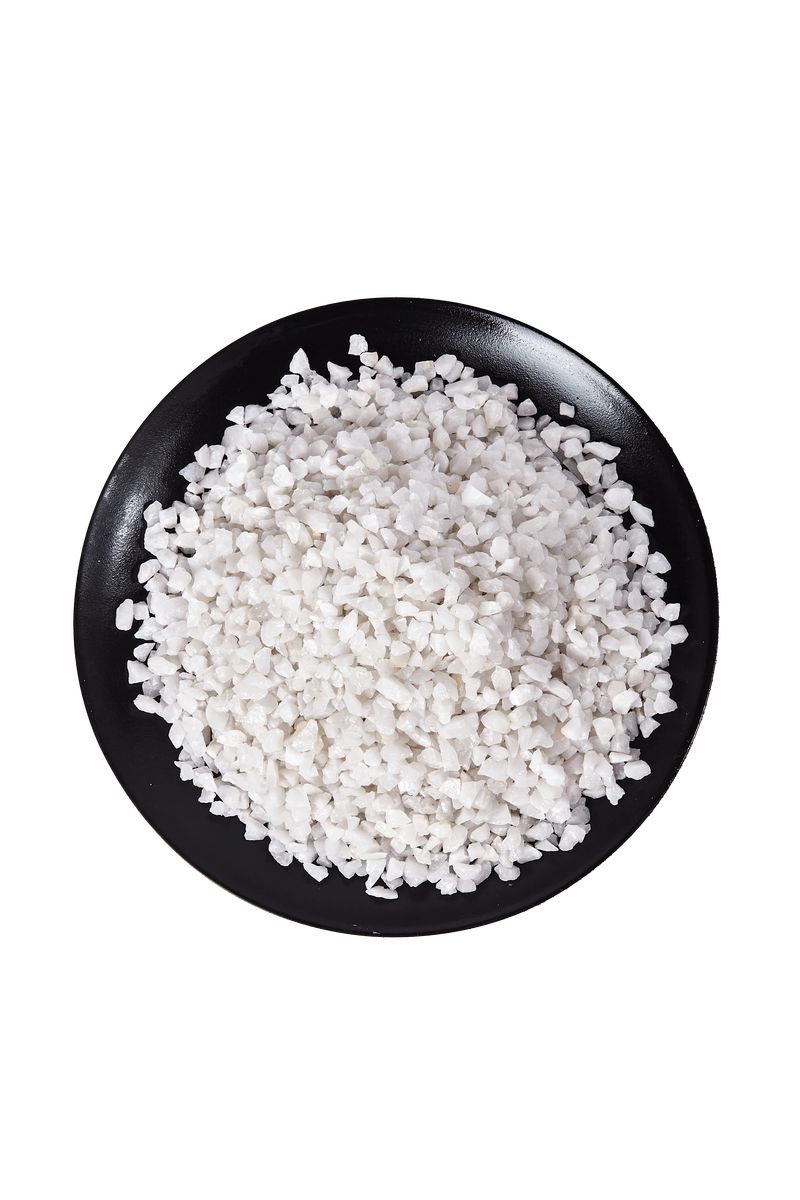
quartz sand
quartz sand
Quartz sand filter media is made from natural quartz ore through crushing, water washing, and screening refinement. Its main component is SiO₂, with content typically exceeding 98%. It appears as white or milky-white granules and features high mechanical strength, good chemical stability, acid and alkali resistance, and pollutant interception capacity. It is widely used in municipal water supply, industrial pure water, deep sewage treatment, and circulating water side-stream filtration systems. It can remove suspended solids, colloids, and turbidity from water, and can also serve as a bed material for activated carbon filters and ion exchangers. Common particle sizes are .5-1.2mm, 1-2mm, and 2-4mm, which can be graded according to the filter tank type and effluent. Regular backwashing can restore its filtration performance. With a long service life, it is one of the most basic and economical filter media in water treatment filtration systems
Request technical details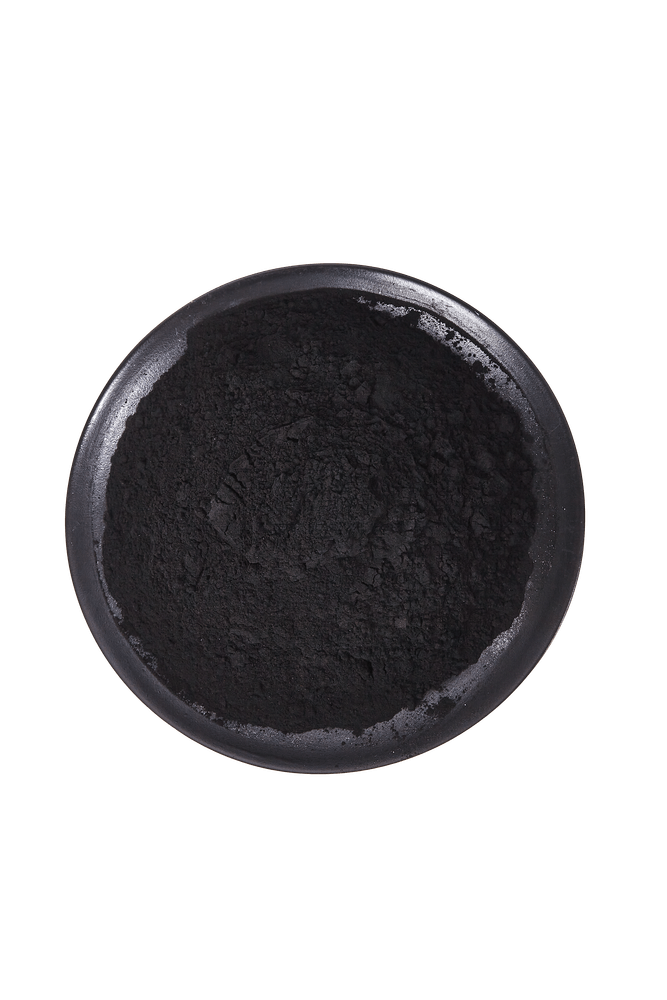
Polyacrylamide
Powdered activated carbon - wood
It is refined from high-quality smokeless coal or coal tar coke through physical activation with steam. It appears as a fine black powder with a pH ranging from neutral to slightly alkaline. The pores are predominantly microporous, featuring a large specific surface area and a high iodine value. This product has a adsorption capacity for residual chlorine, odors, small-molecule organic matter, and certain COD, and is widely used for decolorization, deodorization, and water purification in drinking water deep treatment, industrial wastewater, printing and dyeing, chemical engineering, and pharmaceutical industries. The core performance indicator is the iodine value (not the methylene blue), with a conventional fineness of 200-325 mesh. Wet dosing is recommended, and its use in combination with PAC or PFS can improve press performance. It should be stored in a sealed, moisture-proof environment to avoid clumping due to moisture.
Request technical details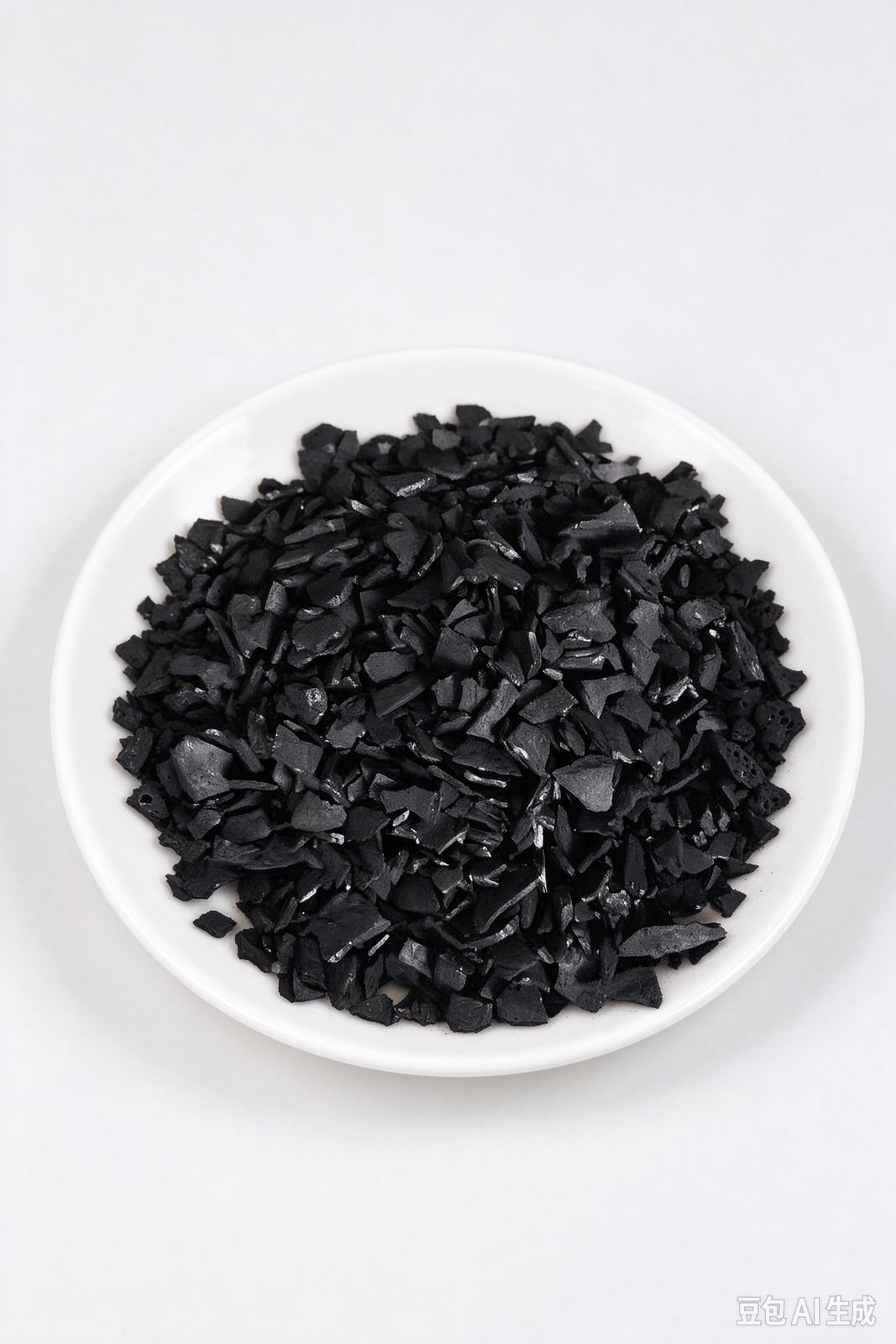
Polyacrylamide
Powdered activated carbon - wood
Made from high-quality coconut shells, it is refined through carbonization and high-temperature steam activation. It appears as black granules or, with micropores as the main pore structure, a large specific surface area, a high iodine value, good mechanical strength, low ash content, and excellent adsorption performance. has a strong adsorption capacity for residual chlorine, odors, small-molecule organic matter, pigments, and some heavy metal ions, and is widely used in deep purification drinking water, decolorization of food and beverages, gold extraction, air purification, and deep treatment of industrial wastewater. The common iodine value is 900-100mg/g, and the particle size can be customized as needed. It is recommended to rinse before use to avoid carbon powder loss; it can be or replaced after adsorption saturation. Standard packaging is 25kg/bag, and it should be stored in a sealed, moisture-proof environment
Request technical details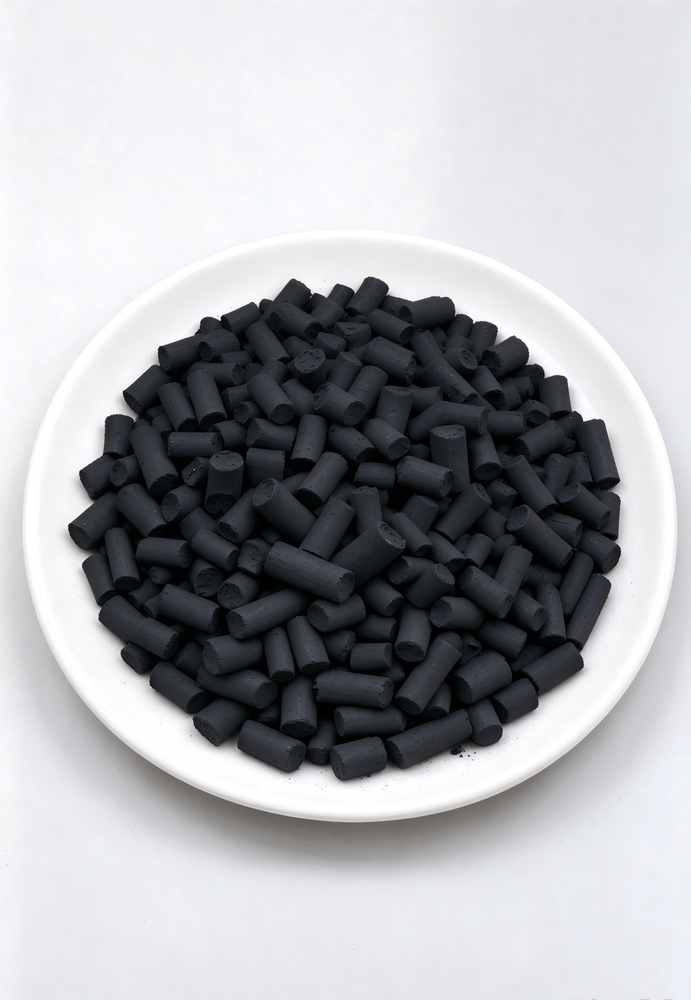
Polyacrylamide
Powdered activated carbon - wood
It is made from high-quality coal or coconut shells as raw materials, through crushing, mixing, extrusion molding, carbonization, and-temperature steam activation. The appearance is black cylindrical granules, characterized by a large specific surface area, well-developed pore structure, high mechanical strength, low pressure drop and strong adsorption capacity. It is widely used in industrial waste gas purification, solvent recovery, air separation, desulfurization and denitrification, VOCs treatment, and water purification, showing good adsorption effects on benzenes, residual chlorine, odors, and small-molecule organic matter. Common specifications include diameters of 1.5mm 3mm, 4mm, and 6mm, with an iodine value of 700-1100mg/g and a carbon adsorption rate of 40%-70%. After adsorption saturation, it can be thermally regenerated or replaced. Standard packaging is 25kg/bag, and should be stored in a sealed, moisture-proof environment.
Request technical details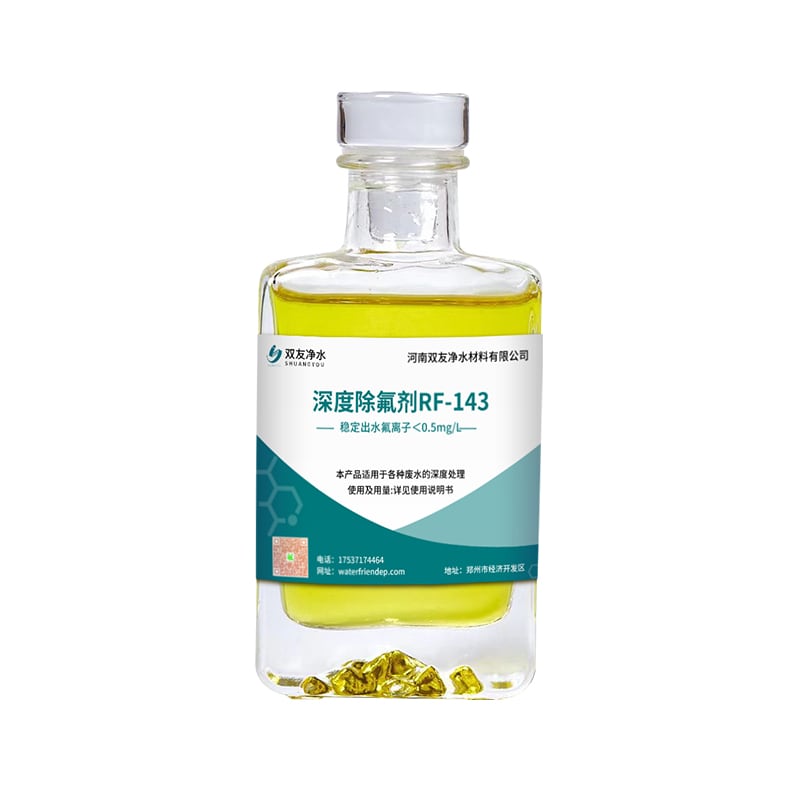
Functional agents (defluorination, COD removal, ammonia nitrogen removal, phosphorus removal)
Defluorination-liquid
Liquid defluoridant is a highly efficient composite inorganic polymer agent, appearing as a colorless to pale yellow transparent liquid, with the active customizable according to requirements. Through strong electrostatic neutralization, complexation precipitation, and adsorption bridging, this product can deeply remove free and complexed fluoride in water, making it suitable for high-fluoride wastewater in industries such as photovoltaics, semiconductors, electroplating, and coal chemicals. It reacts rapidly, forms dense flocs, and quickly, stably reducing the effluent fluoride ion concentration to below 1 mg/L. It is recommended to dilute before dosing, and it works better when used in combination PAC and PAM. It is typically packaged in tank trucks or plastic drums, stored in a sealed and cool place, is a non-hazardous chemical, and is convenient transport.
Request technical details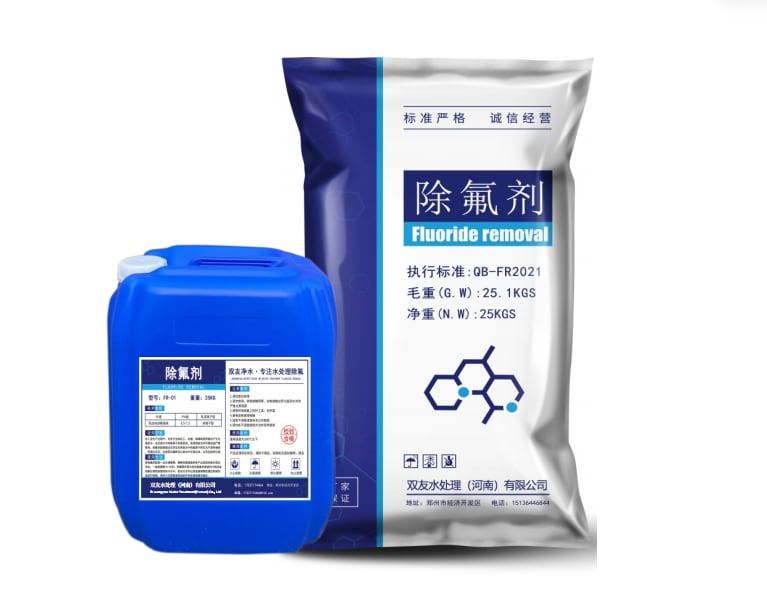
functional potion
Defluorinating agent - alkaline
Alkaline defluoridant is a highly efficient defluoridation agent formulated based on aluminum salts, calcium salts, and sodium alumin, appearing as a colorless to pale yellow liquid with an alkaline pH. This product combines the dual functions of neutralization and deep defluoridation, making it particularly suitable for fluoride-containing wastewater, reducing or eliminating the need for alkali adjustment and simplifying the dosing process. Through complexation precipitation and adsorption bridging, it can effectively remove free and some complexed fluoride, and is widely used in industries such as photovoltaics, semiconductors, electroplating, smelting, and coal chemicals. It features a fast reaction dense floc formation, and good sedimentation, capable of stably controlling the effluent fluoride ion concentration below 1 mg/L. It is recommended to dilute and add it wet dosing, which yields better results when used in conjunction with PAC and PAM. Store in a sealed, cool place, and take precautions against alkali corrosion
Request technical details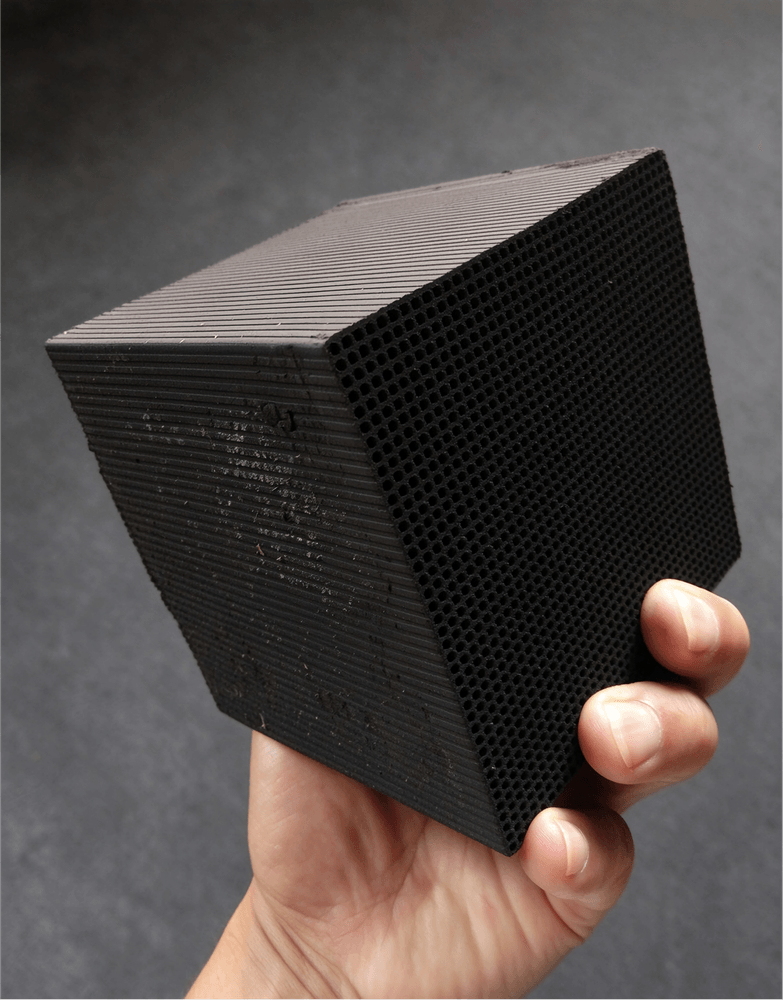
honeycomb activated carbon
honeycomb activated carbon
Made from high-quality coal or coconut shell activated carbon as raw material, it is formed by mold extrusion and activated at high temperatures. appears as a black honeycomb-shaped rectangular block, featuring a high opening rate, low wind resistance, large specific surface area, and strong adsorption capacity. It is widely for organic waste gas purification and VOCs control in industries such as spray painting, printing, electronics, and pharmaceuticals, as well as for air deodorization and odor control Common specifications are 100×100×100mm, with a pore diameter of 1.5-8mm and an iodine value 400-800mg/g. When in use, it must be kept dry to avoid clogging the pores in high-humidity environments; after saturation, it can be thermally regenerated or replaced. It is typically packed in cardboard boxes and should be stored in a cool and dry place
Request technical details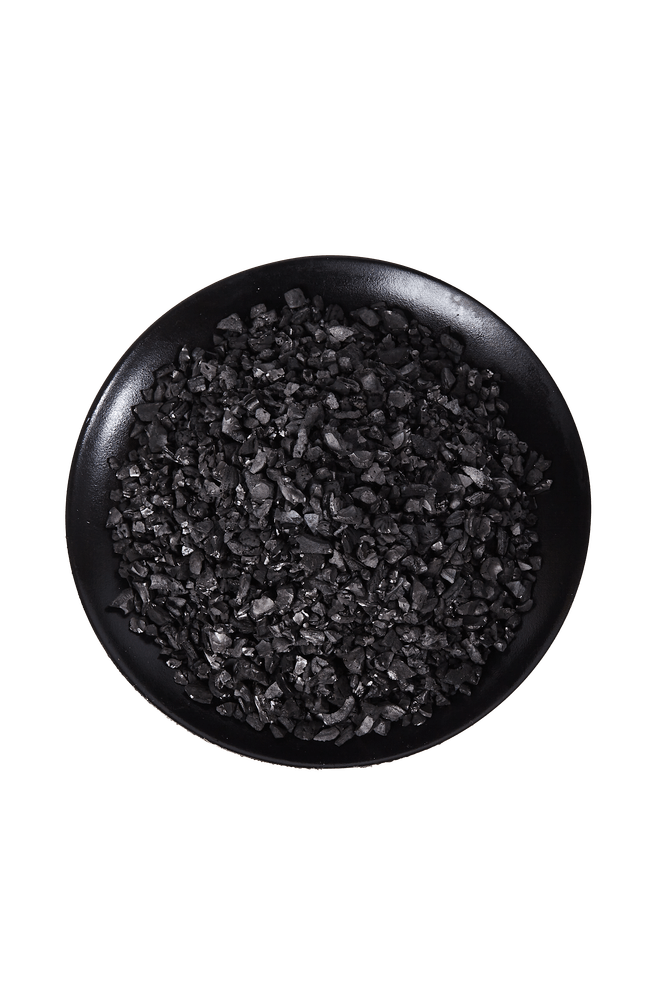
Granular activated carbon
Granular activated carbon
It is made from high-quality coal, coconut shells, or fruit shells as raw materials, through carbonization, high-temperature steam, and screening. It appears as black irregular granules, characterized by well-developed pores, a large specific surface area, high mechanical strength, a large adsorption capacity, easy regeneration. It has good adsorption capacity for residual chlorine, odors, small-molecule organic matter, pigments, and some heavy metal ions, and is widely used fields such as deep purification of municipal drinking water, industrial wastewater treatment, decolorization of food and beverages, solvent recovery, and air purification. The commonly used particle size 8-30 mesh, and the iodine value is 700-1100 mg/g. It is recommended to rinse off the carbon before use, and it can be thermally regenerated or replaced after the adsorption is saturated. Standard packaging is 25kg/bag, and it should be stored in sealed, moisture-proof environment.
Request technical details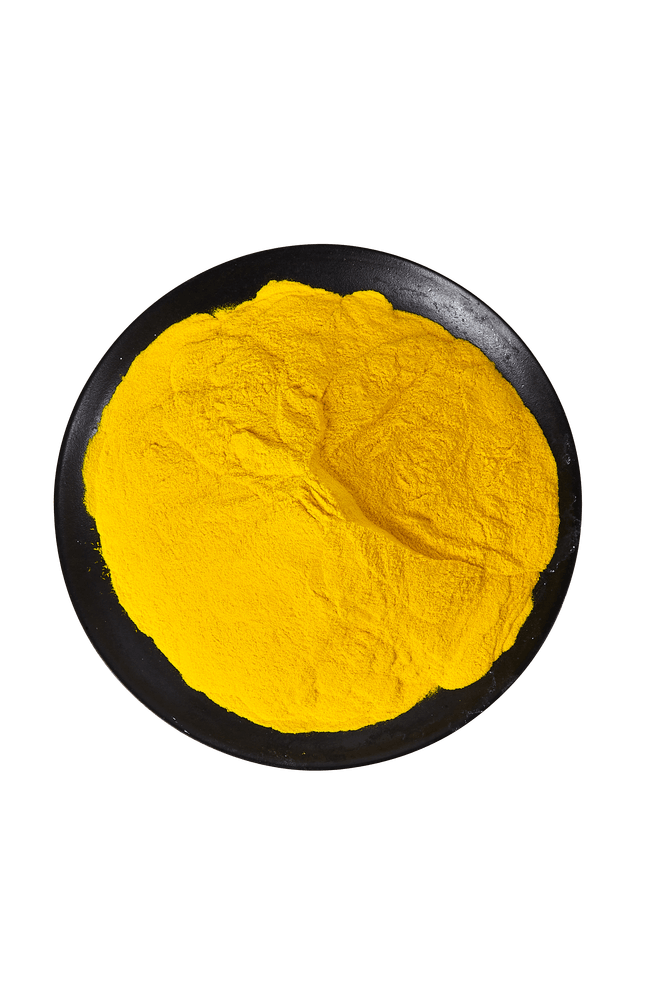
Polyaluminum Chloride - Drinking Water Grade
Polyaluminum Chloride - Drinking Water Grade
Drinking water grade Polyaluminum Chloride (PAC) is refined from high-purity aluminum raw materials through spray drying, complying with the GB15892-2020 standard "Polyaluminum Chloride for Drinking Water". It appears as a white or slightly yellowish powder/granule, an Al₂O₃ content of ≥29%, a basicity of 40%-90%, and extremely low heavy metal (lead, arsenic, cadmium mercury, hexavalent chromium) content, making it safe and non-toxic. The product features high purity, rapid flocculation, large flocs, and sedimentation, with a wide pH adaptability. It is mainly used in tap water plants, drinking water purification, and high-purity requirement fields such as food and. The dosage must be determined by bench-scale tests and is generally added wet after dilution. Standard packaging is 25kg/bag, and it should be in a sealed, dry place, protected from moisture and acids.
Request technical details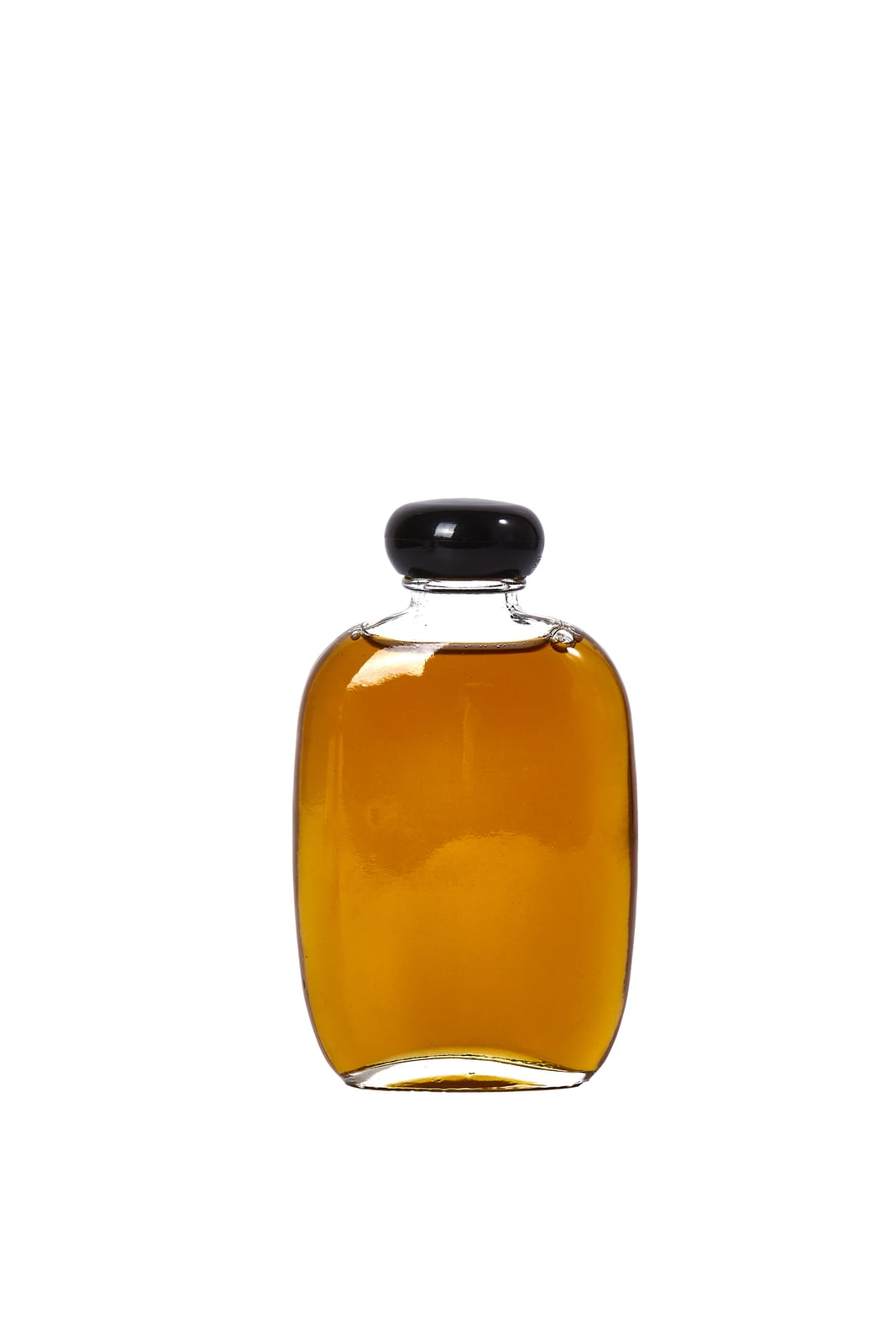
Polyaluminum Chloride-Liquid
Polyaluminum Chloride-Liquid
Liquid Polyaluminum Chloride (PAC) is an inorganic polymer coagulant, appearing as a pale yellow to yellowish-brown liquid, with an content typically around 10%, a basicity of 40%-90%, and a slightly acidic pH. It features rapid flocculation, large fl, good sedimentation, a wide pH adaptability, and ease of use, requiring no dissolution and allowing for direct dilution and dosing. It is widely used for solid-liquid in municipal sewage, industrial wastewater, papermaking, printing and dyeing, coal washing, and other fields. It is packaged in conventional tank trucks, IBC totes, plastic drums, and should be stored in a sealed, cool place, avoiding mixed storage with acids. The dosage must be determined through bench-scale tests based on quality.
Request technical details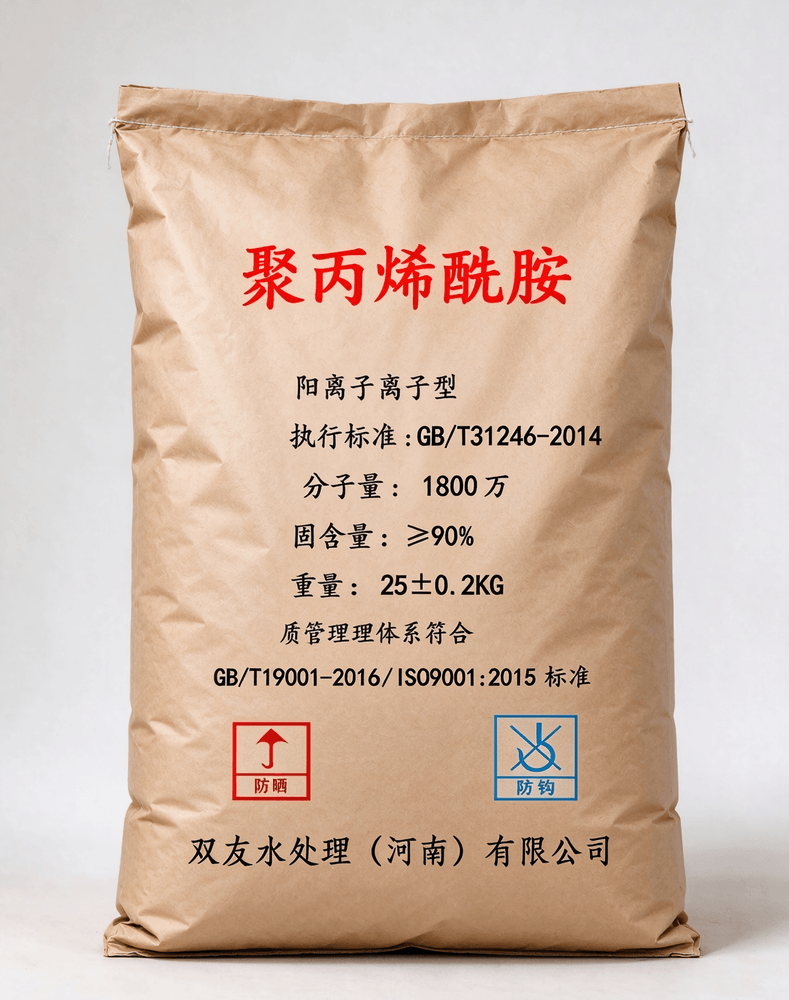
polyacrylamide
polyacrylamide
Polyacrylamide is a water-soluble macromolecular polymer, classified into anionic, cationic, non-ionic, and amphoteric types based on ionic characteristics. It appears as a white powder or granules, with a molecular weight of 4 to 20 million and an ionic degree of 10% 80%. As an efficient flocculant, thickener, and coagulant aid, it is widely used in municipal sewage, industrial wastewater, sludge dewatering papermaking, mineral processing, and petroleum extraction. Through charge neutralization and adsorption bridging, its molecular chains cause fine particles to aggregate into large flocs, significantly sedimentation and dewatering. Before use, it should be diluted to a 0.1%-0.3% solution and stirred slowly to avoid high-shear degradation it works better when used in combination with PAC and PFS. Standard packaging is 25kg/bag, and it should be stored in a sealed, moisture- environment.
Request technical details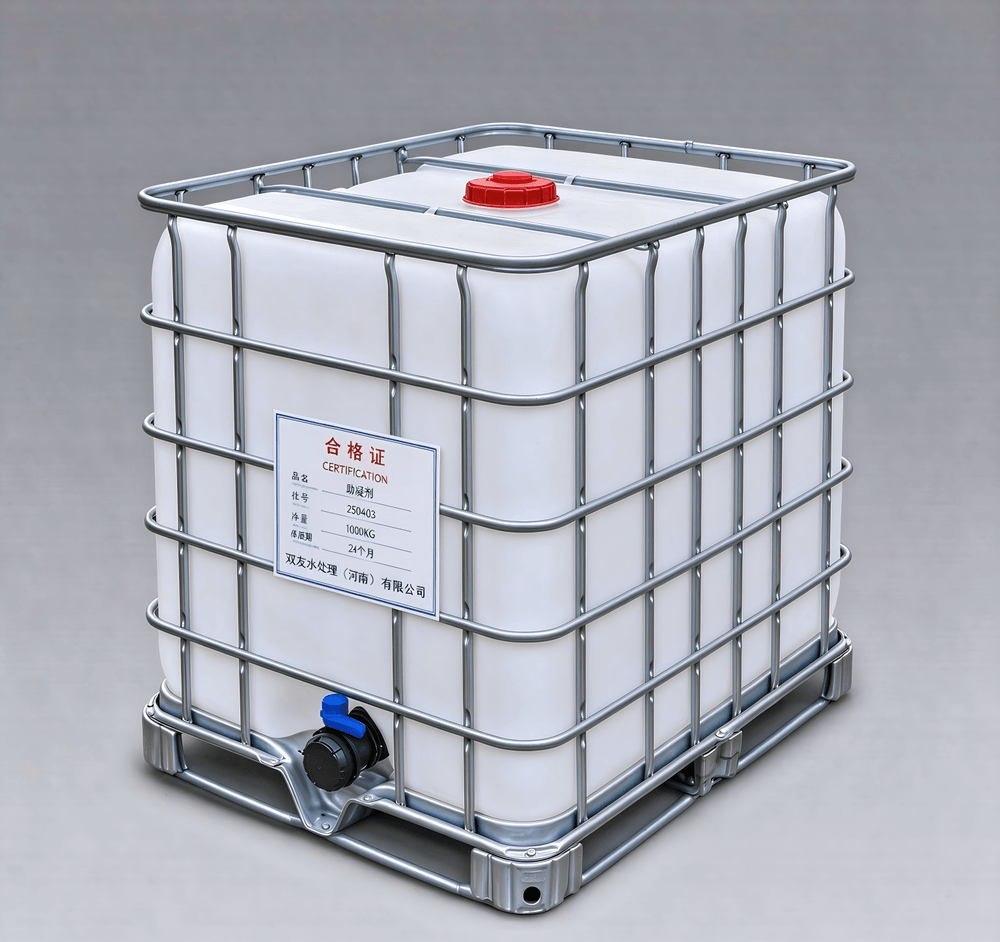
Liquid polymer flocculant - polyammonium
Liquid polymer flocculant - polyammonium
This product is a liquid cationic polymer flocculant, mainly composed of polyamine, with an appearance of colorless to pale yellow viscous liquid a solid content typically of 40%-50%, good water solubility, and high charge density. Through strong electrostatic neutralization and adsorption bridging, it can rapidly the negative charge on the surface of colloidal particles, causing suspended solids, oil droplets, and organic matter to destabilize and coalesce, forming dense flocs. It widely used in oily wastewater, textile dyeing and printing wastewater, papermaking wastewater, municipal sludge dewatering, and deep treatment of industrial wastewater, and is especially suitable use in combination with PAC, PFS, and PAM, which can replace some inorganic coagulants and reduce sludge yield. Before use, it needs to be diluted to 0.1%-1% solution and continuously added using a metering pump. It is packaged in conventional plastic buckets and IBC tanks, stored in a sealed and cool, and should be avoided from direct mixing with strong anionic substances.
Request technical details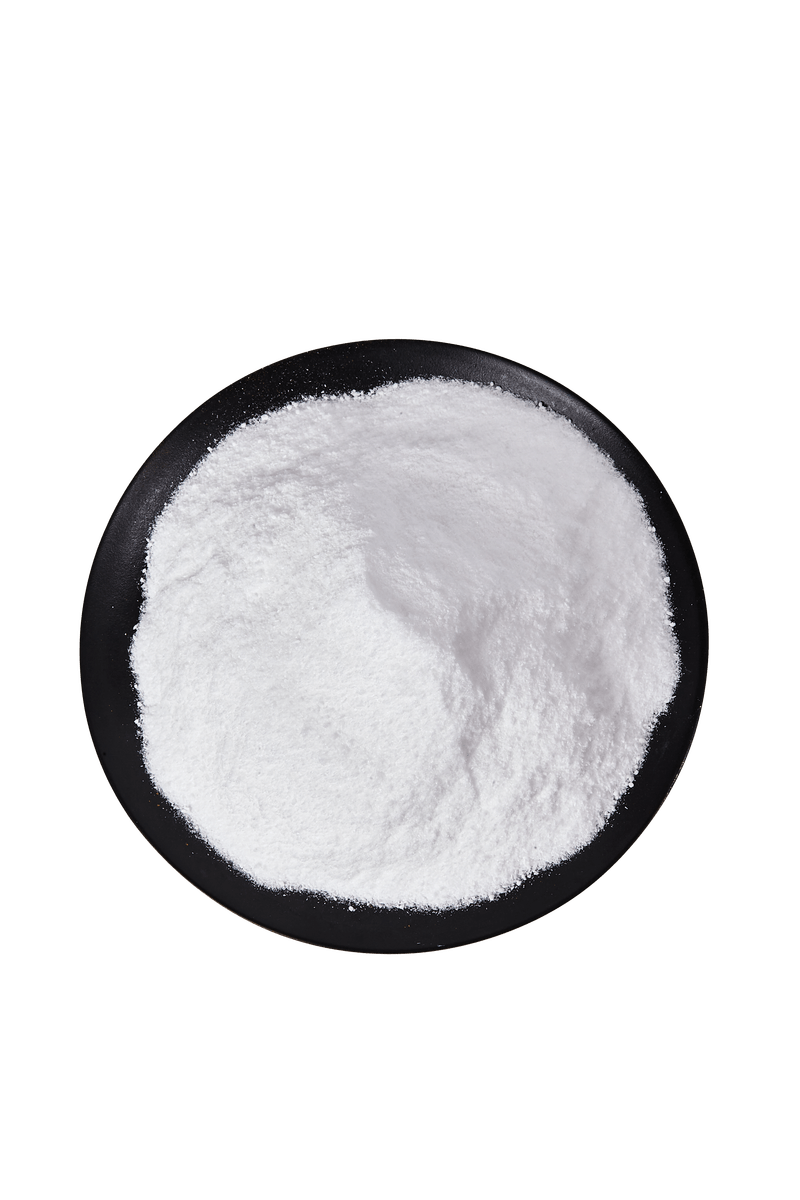
carbon source
Glucose
Glucose is a high-quality, fast-acting carbon source, appearing as a white crystalline powder or granules, easily soluble in water, with biodegradability. After addition, it can be rapidly utilized by denitrifying bacteria, effectively improving the B/C ratio of wastewater, promoting denitrification for nitrogen removal, and nitrate nitrogen into nitrogen gas for discharge. It is widely used in municipal wastewater upgrading and renovation, as well as in the treatment of industrial wastewater with low carbon--nitrogen ratios such as coking, chemical, and pharmaceutical industries, and can also serve as a nutrient for microbial culture expansion. It features fast denitrification initiation and stable, but has a relatively high sludge yield. The dosage needs to be determined by bench-scale tests based on water quality, and it can be added dry or as solution via wet dosing. Standard packaging is 25kg/bag; store in a sealed, moisture-proof environment, and avoid mixing with strong oxidants
Request technical details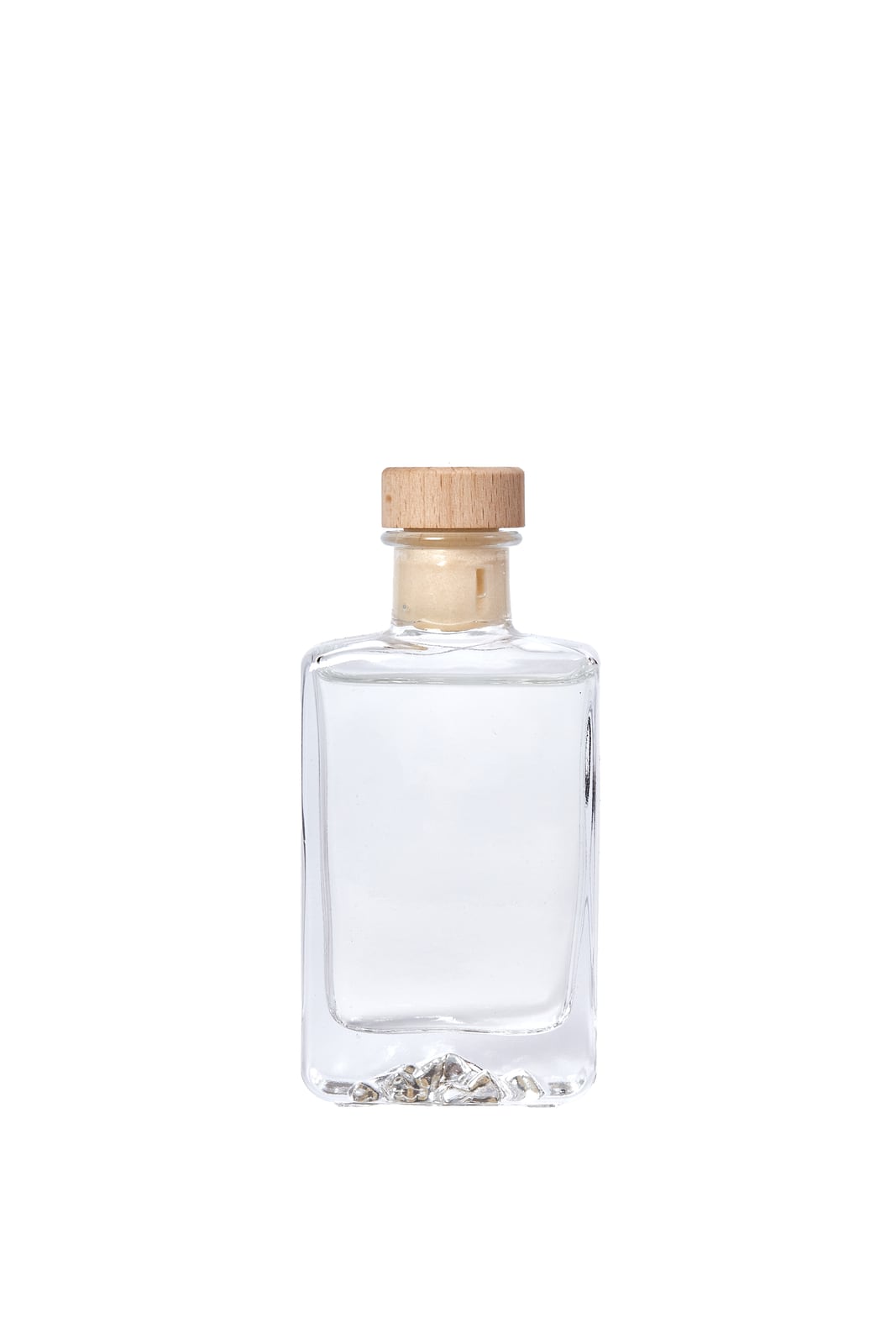
composite carbon source
composite carbon source
Composite carbon source is a highly efficient liquid carbon source scientifically formulated from multiple organic carbon sources (such as sodium acetate, glucose, alcohols,.), featuring a high COD equivalent and excellent biodegradability. After dosing, it can be rapidly utilized by denitrifying bacteria, offering a fast denitrification rate and good lowtemperature adaptability, which effectively solves the problem of difficult nitrogen removal in wastewater with a low carbon-to-nitrogen ratio. It is widely used in municipal wastewater upgrading and, as well as in high-ammonia nitrogen industrial wastewater treatment for coking, chemical, pharmaceutical, and food industries, and can partially or completely replace sodium acetate glucose, and methanol. The product offers high cost-performance, but there is a significant difference in batch stability, so it is recommended to conduct small-scale first to determine the optimal dosage. It is commonly packaged in IBC tanks or tank trucks, stored in a sealed and cool place, and should be kept away from strongants.
Request technical details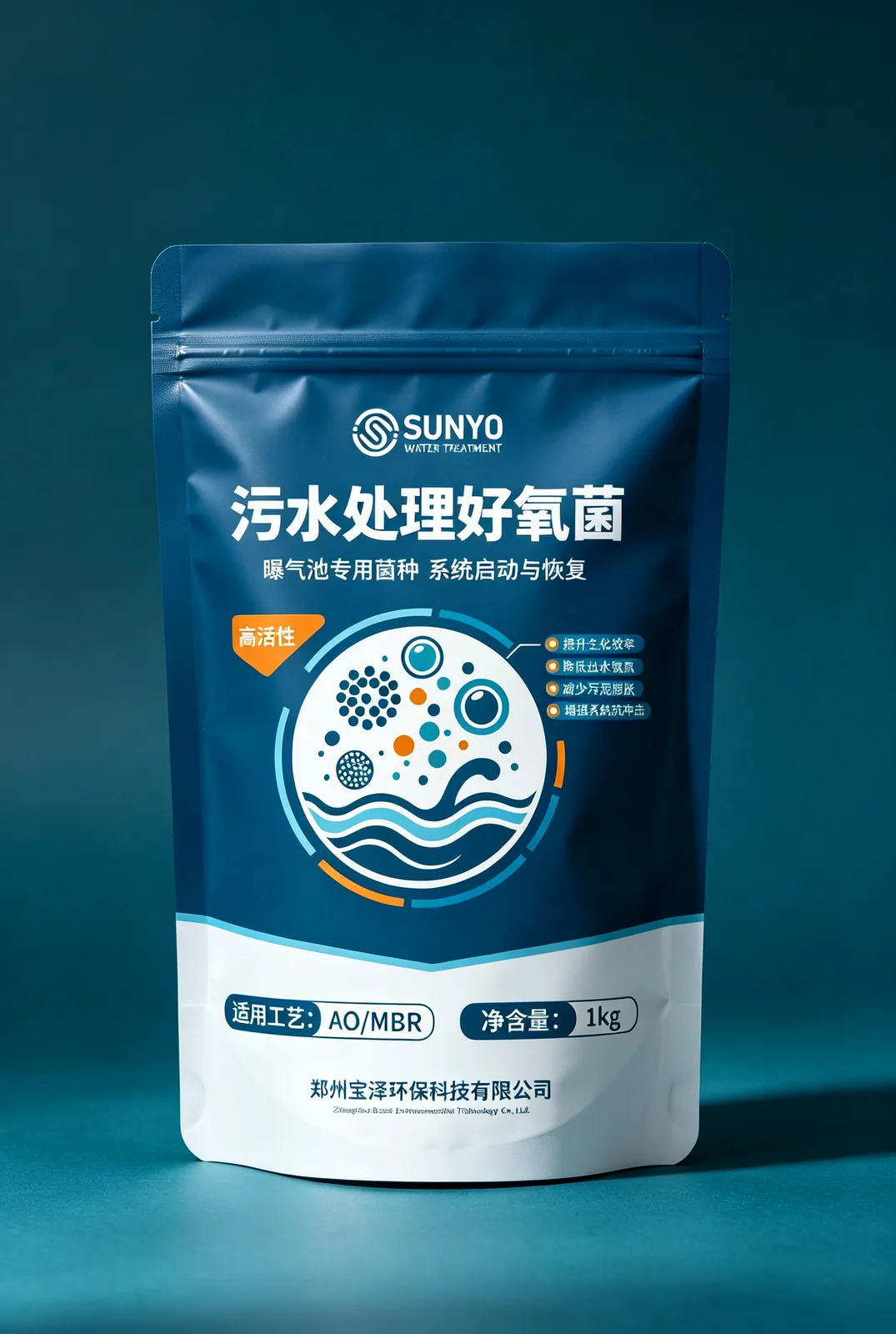
aerobic bacteria
aerobic bacteria
Suitable for various aeration sewage treatment systems, such as aerobic tanks, oxidation ditches, SBR, contact oxidation tanks, and other aerobic systems, well as aeration sections of black and odorous rivers. It improves the COD removal rate of aerobic systems and rapidly eliminates organic pollutants; meanwhile, it simultaneously reduces ammonia nitrogen total phosphorus in the water body, improving the effluent water quality.
Request technical details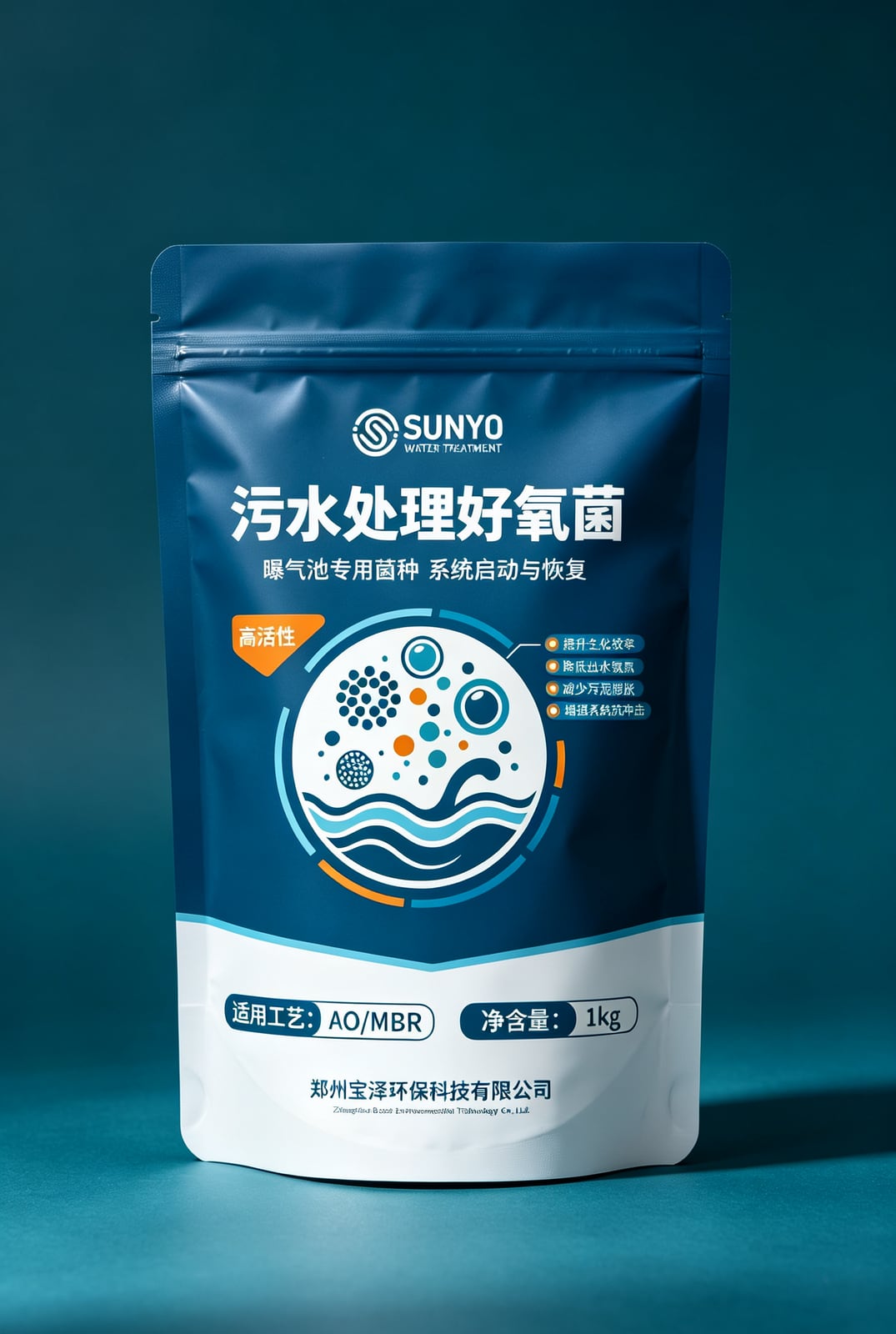
anaerobe
anaerobe
Suitable for various anaerobic wastewater treatment systems, such as septic tanks, biogas digesters, UASB reactors, EGSB reactors, IC reactors,. Improve the COD removal efficiency of anaerobic systems; increase biogas yield; promote the rapid maturation of granular sludge in anaerobic systems.
Request technical details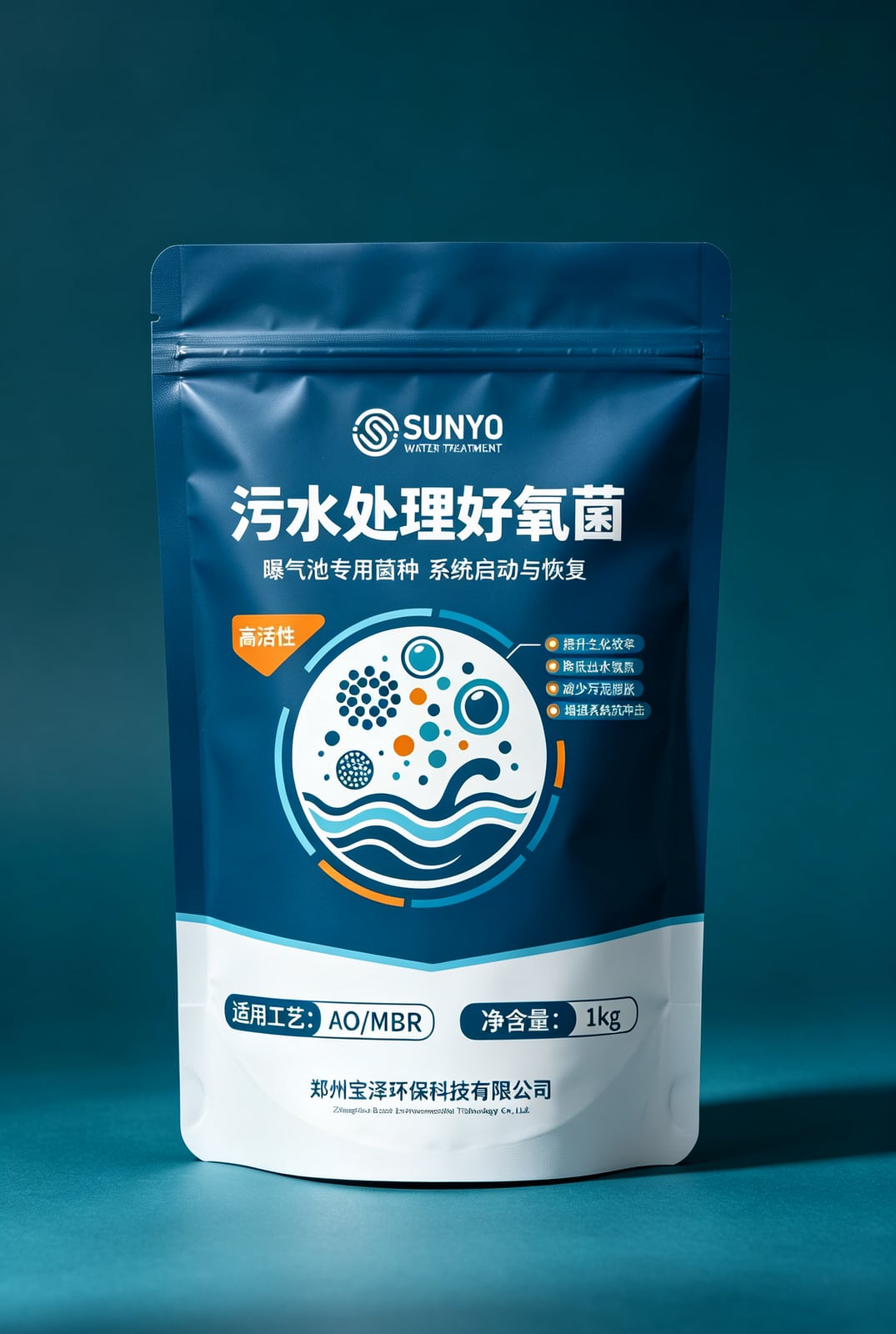
nitrifying bacteria
nitrifying bacteria
Suitable for various types of high ammonia nitrogen wastewater, such as petrochemical wastewater, pharmaceutical wastewater, landfill leachate, dyeing and printing wastewater, electronic, food wastewater, livestock and poultry farming and slaughtering wastewater, municipal wastewater, and various chemical wastewater. It rapidly degrades ammonia nitrogen and nitrite in the water body, the rapid establishment of nitrifying bacteria in sewage, takes effect within 24 hours, and generally achieves standard discharge within 3 to 7 days; if the is shocked by high ammonia nitrogen or other sudden factors, it can achieve rapid recovery of the system's nitrification process, quickly reduce high concentrations of ammonia nitrogen, thereby other microorganisms better adapt to the sewage environment; it improves the ammonia nitrogen removal capacity in low-temperature seasons and reduces the impact of low temperatures on the nitrification process
Request technical details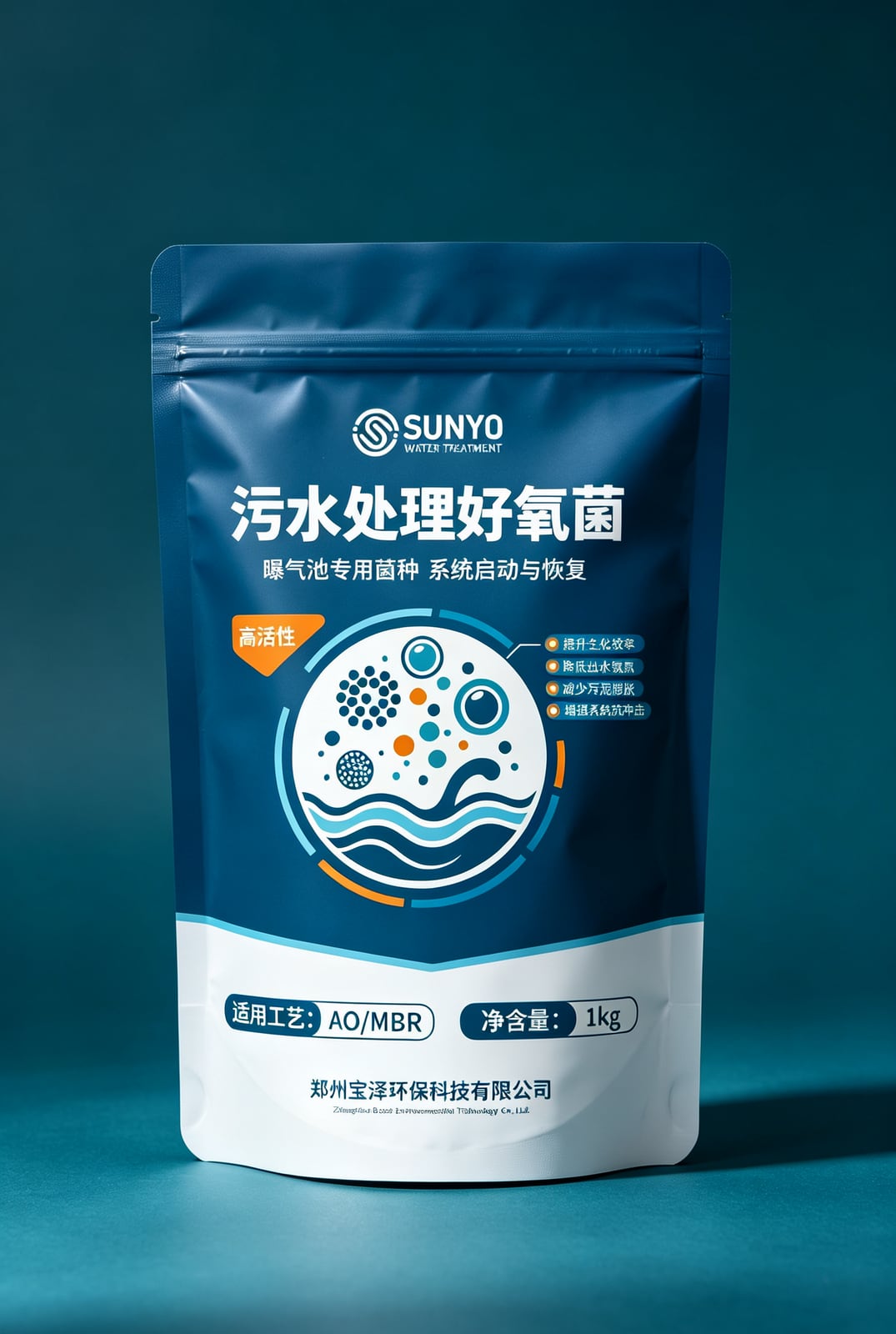
denitrifying bacteria
denitrifying bacteria
Suitable for various types of industrial wastewater, municipal wastewater, livestock and poultry breeding wastewater, aquaculture wastewater, etc., especially for the total nitrogen of high nitrate-nitrogen wastewater such as photovoltaic wastewater, new energy battery wastewater, and nitric acid cleaning wastewater, and it can also simultaneously remove sulfides in the wastewater It can rapidly degrade nitrates in the water body, synergistically treat nitrites in the water body with the nitrification system, and promote the rapid establishment of autotrophic denitr bacteria in the denitrification system. The denitrification system takes effect within 24 hours, generally achieving the rapid establishment of the denitrification system in 3 to 7 days, TN to below 0.5 mg/L and nitrite to below 0.05 mg/L at the minimum, achieving extreme nitrogen removal and synergistic treatment nitrites.
Request technical details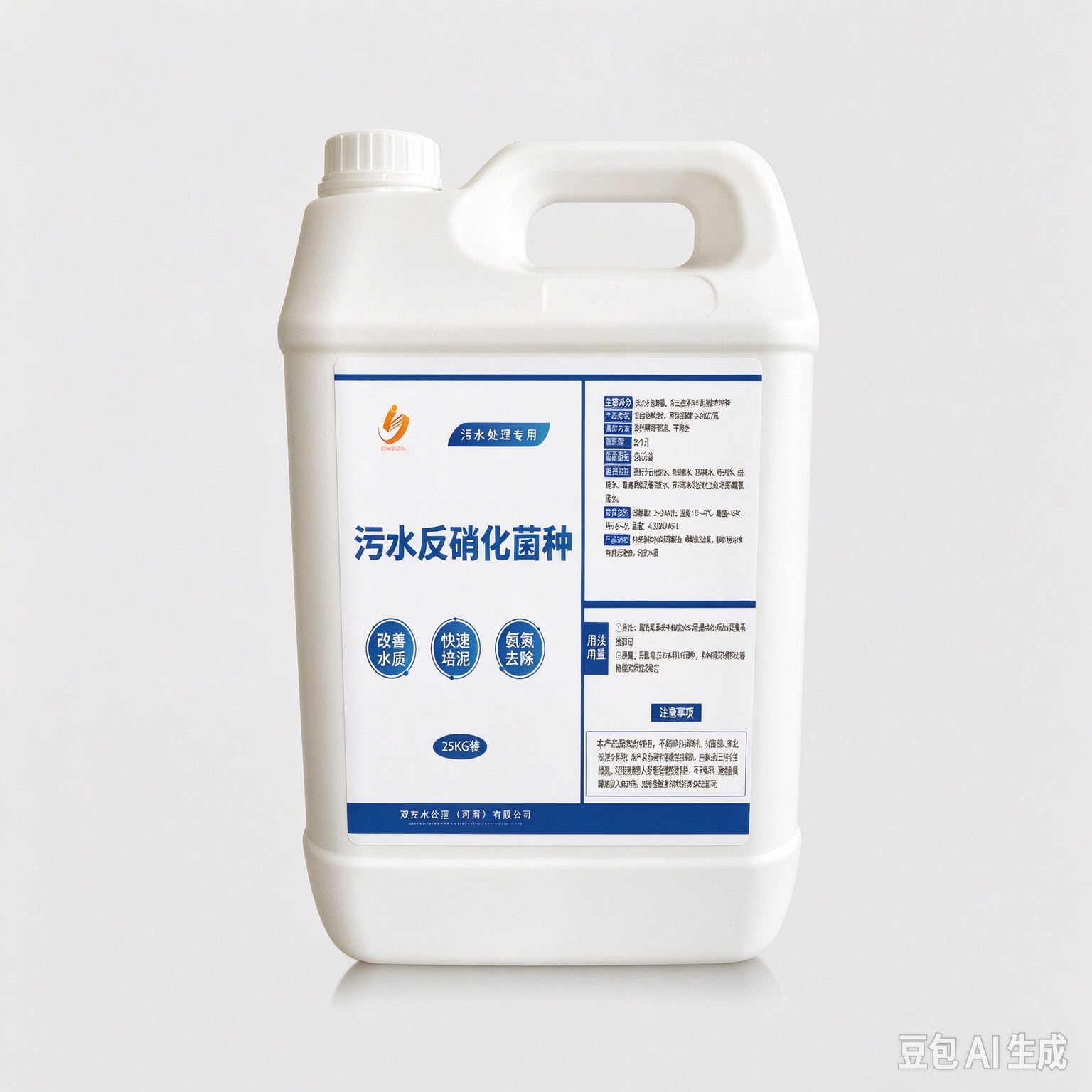
nitrite-removing bacteria
nitrite-removing bacteria
Various types of aquaculture wastewater, especially factory-based and high-density aquaculture wastewater. It degrades nitrites in the aquaculture water, rapidly and effectively eliminating nitrites in the water, purifying the water quality, and preventing nitrite poisoning in farmed animals.
Request technical details05Industries
Built for demanding industrial water conditions.
Photovoltaic
Fluoride and variable water quality
Coking
Colour, COD and settling
Semiconductor
Tight discharge and process control
Coal chemical
Complex pollutants and load variation
Municipal
Stable operation and cost control
Electroplating and dyeing
Metals, colour and combined indicators
06Selected cases
Field evidence carries more weight than claims.
Show the real work content in photovoltaic, coking, and laboratory pilot tests to help customers understand the processing boundaries and what to do next
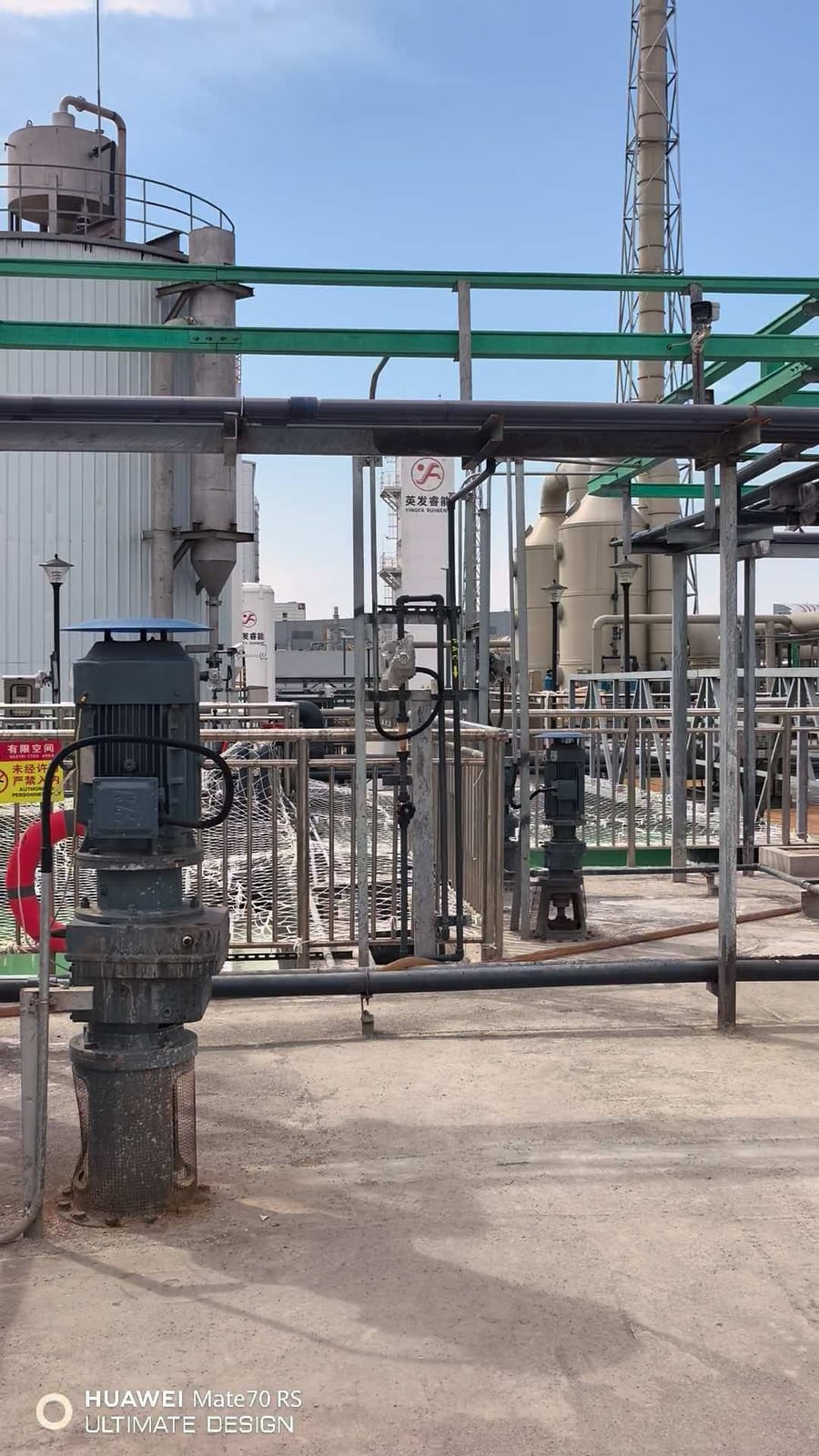
Photovoltaic
Fluoride treatment for photovoltaic wastewater
A tailored FR-series dosage strategy for wastewater tested at 14.55 mg/L fluoride, with a target of 1.5 mg/L.
14.55 → 1.5 mg/L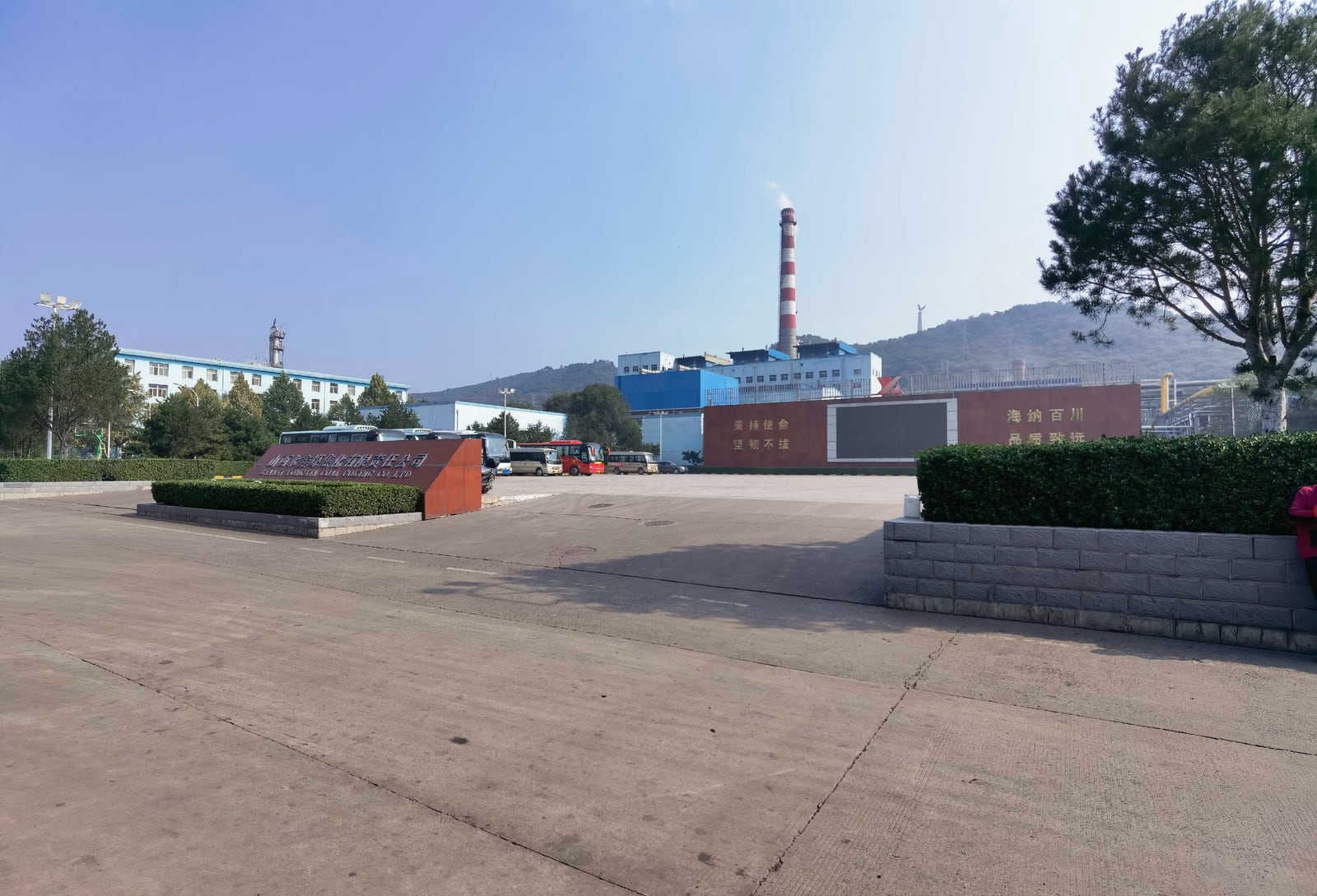
Coking
COD and colour removal for coking plants
Product selection and small-scale testing support for coking plants with daily treatment capacities from 1,500 to 2,900 m³.
1,500-2,900 m³/day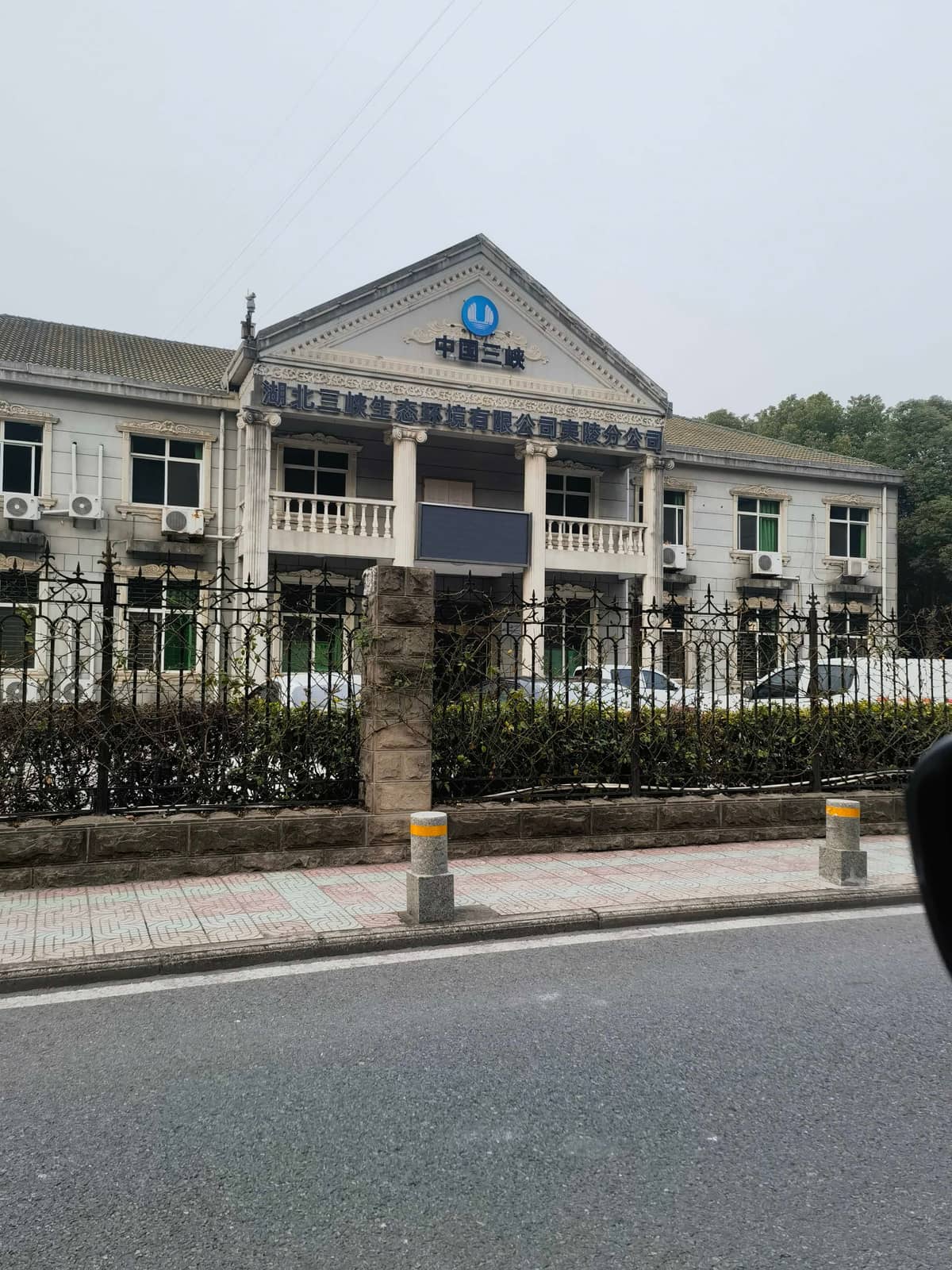
Laboratory testing
Verify for free first, then scale up the application solution; describe it in under 200 words.
We provide a free "verify first, scale up later" pilot service. You only need to provide water samples, and we will conduct beaker experiments free of charge to screen chemical models, determine dosage and process windows, and issue reproducible verification reports. After the effect is confirmed, we will design a scale-up application plan based on on-site operating conditions, providing dosing equipment, operating parameters, and cost calculations. Let customers see the results first before deciding on procurement, reducing selection risks and trial-and-error costs. Free pilot service, data speaks; plan implementation, guaranteed results.
Verify for free first, then scale up the application solution; describe it in under 200 words.News
Company updates and technical insights
All newsShuangyou Water Treatment (Henan) Co., Ltd.: Driven by technological innovation, focusing on efficient defluoridation solutions
Recently, Doublefriends Water Treatment (Henan) Co., Ltd. officially launched its brand-new corporate information platform (doublefriends.com), a significant step forward in the company's brand building and technology dissemination. As a high-tech enterprise focusing on the water treatment field, Doublefriends Water Treatment, with years of deep industry cultivation and technological accumulation, has developed into a professional water treatment solution provider integrating R&D, production, sales, and technical services
Bench results shape the field plan.
07Process
Four steps, one clear path.
01
Water analysis
Confirm pollutants, variability and site constraints.
02
Bench testing
Screen chemistry and process windows with repeatable tests.
03
Solution design
Turn the findings into dosing, equipment and operating guidance.
04
Field support
Follow operating results and tune the critical parameters.
08Contact
Provide water samples and operating conditions, and we will provide the solution.
Please leave your basic information and processing goals, and the technical team will provide you with a solution based on the case data.
Phone+86 156 3809 1586
AddressNo. 206, West Fourth Ring Road, High-tech Industrial Development Zone, Zhengzhou, Henan, China
Webwaterfriendep.com / doublefriends.com